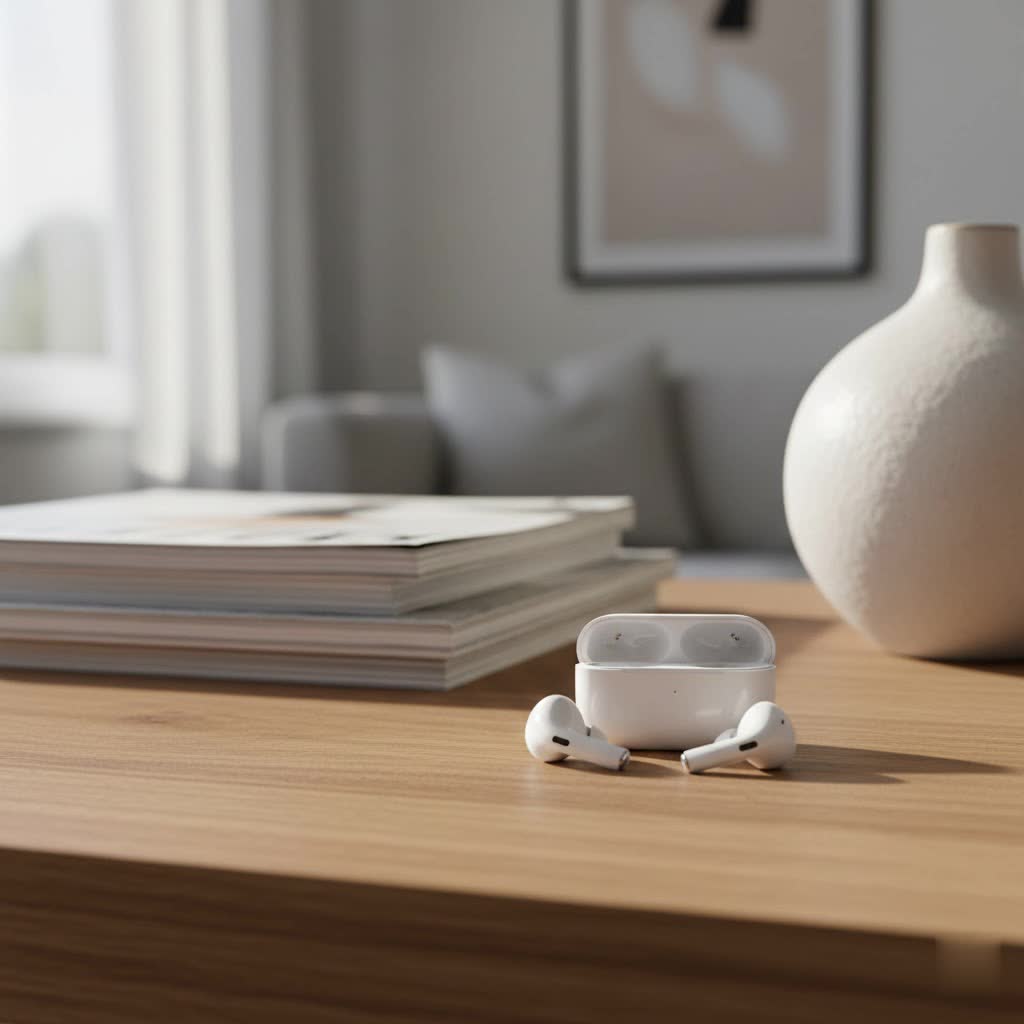
Step into a world where audio is limitless and wires are a relic of the past. True Wireless Stereo (TWS) earbuds have revolutionized how we listen, offering unparalleled convenience and an immersive sound experience. From daily commutes to intense workouts, these compact powerhouses have become indispensable companions for millions. This comprehensive guide will navigate the fascinating evolution of TWS technology, unpack their numerous advantages, and equip you with all the knowledge needed to find your perfect pair, ensuring you make an informed decision to unlock the full potential of untethered sound.
The Genesis and Evolution of True Wireless Earbuds
The journey of wireless audio began with bulky Bluetooth headsets in the early 2000s, primarily for hands-free calls. The real revolution, however, ignited around 2014 with the introduction of the first true wireless earbuds, such as the Bragi Dash and Earin. These pioneering devices aimed to cut all cords, offering a glimpse into a fully wireless future, yet they often faced challenges like inconsistent Bluetooth connections and limited battery life.
A pivotal moment arrived in 2016 with Apple’s launch of the AirPods. Their seamless integration with iOS devices, automatic pairing, and intuitive touch controls set a new industry benchmark, accelerating TWS earbuds into mainstream adoption. This success spurred rapid innovation across the industry. The subsequent “second wave” of TWS earbuds, emerging around 2017, brought significant enhancements in battery life, sound quality, and connection stability. Engineers tirelessly worked on miniaturization, fitting powerful components into increasingly smaller form factors. Today, TWS technology continues to advance, incorporating sophisticated features like Active Noise Cancellation (ANC), spatial audio, advanced audio codecs such as aptX and LDAC, and the latest Bluetooth 5.3 and LE Audio standards, offering even lower latency and improved efficiency.
Unparalleled Advantages of TWS Wireless Earbuds
TWS wireless earbuds have gained immense popularity for a multitude of reasons, primarily centered around freedom and enhanced user experience. The absence of cables offers true liberation, allowing for unrestricted movement during workouts, commutes, or simply relaxing at home.
These earbuds provide diverse connectivity options, effortlessly pairing with a wide array of devices from smartphones and tablets to laptops, smart TVs, and even gaming consoles. This versatility ensures a seamless audio experience across your entire digital ecosystem. Beyond basic audio, modern TWS earbuds boast significantly improved sound quality, delivering rich bass, clear mids, and crisp highs. Many now include advanced features like Active Noise Cancellation (ANC) to block out distractions, transparency modes to stay aware of your surroundings, and integration with voice assistants for hands-free control. Some even incorporate smart functionalities like fitness tracking and heart rate monitoring, transforming them into multi-functional lifestyle tools.
Dissecting Popular Wireless Earbud Categories
While True Wireless Stereo (TWS) earbuds represent the pinnacle of cable-free audio, it’s helpful to understand how they compare to other wireless audio formats that still incorporate some form of physical connection.
- True Wireless (TWS) Earbuds: These are entirely free of wires, with each earbud operating independently, connected wirelessly to each other and to the audio source. They offer maximum portability and freedom, typically coming with a charging case that doubles as storage. Examples include Apple AirPods, Sony WF-1000XM5, and Samsung Galaxy Buds.
- Neckband Wireless Earbuds: These feature two earbuds connected by a flexible band that rests around the user’s neck. While not fully “true wireless,” they offer better battery life than many TWS models, provide a secure fit, and reduce the risk of losing an earbud. They are popular among users who prefer a physical connection for security but still want a wireless experience.
- Over-Ear Wireless Headphones: These larger headphones fully enclose or sit on the ears, connected wirelessly to the audio source. They generally offer superior sound quality, more robust Active Noise Cancellation, and significantly longer battery life due to their larger size. They are often preferred for critical listening, travel, or studio use, prioritizing audio performance and comfort over ultimate portability.
Feature Comparison of Wireless Earbud Types
|
Our Picks for the Best Wireless Earbuds in 2026
As an Amazon Associate I earn from qualifying purchases.
|
||
| Num | Product | Action |
|---|---|---|
| 1 | TAGRY Bluetooth Headphones True Wireless Earbuds 60H Playback LED Power Display Earphones with Wireless Charging Case IPX5 Waterproof in-Ear Ear buds with Mic for TV Smart Phone Laptop Computer Sports |

|
| 2 | Soundcore by Anker P20i True Wireless Earbuds, 10mm Drivers with Big Bass, Bluetooth 5.3, 30H Long Playtime, Water-Resistant, 2 Mics for AI Clear Calls, 22 Preset EQs, Customization via App |
|
| 3 | TOZO Headphones Lightweight with Multi-Angle Adjustment, Bluetooth 5.3 Earbuds with Dual-Axis Design for Long-Lasting Comfort, Crystal-Clear Calls for Driving |
|
| 4 | Wireless Earbuds, Bluetooth 5.4 Headphones, True Wireless Stereo Sound Earphones with Noise Cancelling Mic, Fast Charging, IPX7 Waterproof, Comfort Fit Ear Buds for Sports/Workouts/Travel (Deep Black) |
|
| 5 | Apple AirPods Pro 3 Wireless Earbuds, Active Noise Cancellation, Live Translation, Heart Rate Sensing, Hearing Aid Feature, Bluetooth Headphones, Spatial Audio, High-Fidelity Sound, USB-C Charging |
|
| 6 | Apple AirPods 4 Wireless Earbuds, Bluetooth Headphones, Personalized Spatial Audio, Sweat and Water Resistant, USB-C Charging Case, H2 Chip, Up to 30 Hours of Battery Life, Effortless Setup for iPhone |
|
| 7 | Open Ear Headphones, Bluetooth 5.4 Earbuds, 50H, Air Conduction Ear Buds, HD Stereo Bass Over Ear Earphones with Earhooks, Ultra-Comfort Secure, Purple |
|
| 8 | TOZO A1 Wireless Earbuds Bluetooth 5.3 Light Weight in Ear IPX5 Waterproof Headphones 2 Mic for AI Calls, Immersive Premium Sound Bass Headset with Charging Case, 32 Presets EQ Customization via App |
|
| 9 | Wireless Earbuds, Bluetooth 5.4 HiFi Stereo Headphones with Noise Cancelling Mic, 50H Playback in Ear Buds with LED Digital Display, IPX7 Waterproof Earphones for Office/Running/Workout White |
|
| 10 | kurdene Wireless Earbuds Bluetooth 5.3 in Ear Buds Light Weight Headphones,Deep Bass Sound,Built in Mics Headset,Clear Calls Earphones for Sports Workout |
|
| Feature | True Wireless (TWS) | Neckband | Over-Ear Headphones |
|---|---|---|---|
| Size | Ultra-compact, discreet | Moderate, less obtrusive | Large, conspicuous |
| Battery Life | Moderate (4-8 hrs earbuds, 15-30+ hrs with case) | Good (8-15+ hours) | Excellent (20-60+ hours) |
| Portability | Very High | High | Medium |
| Sound Quality | Good to Excellent | Good | Excellent, often superior |
| Price | Varied (Budget to Premium) | Mid-range | High-end, often premium |
Leading Brands in the TWS Earbud Market
The competitive landscape of TWS earbuds is dominated by several key players, each bringing unique strengths and innovations to the table. These brands continuously push the boundaries of audio technology, offering diverse options to cater to every preference and budget.
- Apple: Renowned for its AirPods series, Apple offers seamless integration within its ecosystem, iconic design, and intuitive user experience. Models like the AirPods Pro excel in active noise cancellation and spatial audio.
- Sony: A leader in audio technology, Sony’s WF-1000XM series (e.g., WF-1000XM5) is consistently praised for its industry-leading noise cancellation, exceptional sound quality, and advanced audio processing features.
- Samsung: With its Galaxy Buds lineup, Samsung provides strong competition, particularly for Android users. Their earbuds often feature comfortable fits, vibrant sound profiles, and seamless integration with Samsung Galaxy devices.
- Jabra: Known for their robust build quality, excellent call performance, and comfortable fit, Jabra’s Elite series earbuds are a favorite among professionals and active users. They often include features like multipoint connectivity and impressive battery life.
- Anker (Soundcore): Anker’s Soundcore brand offers remarkable value, delivering high-quality audio and features like strong ANC and extended battery life at competitive price points, making premium experiences accessible to more users.
- Bose: Celebrated for its superior noise-canceling technology, Bose QuietComfort Earbuds provide an immersive listening experience, especially for those prioritizing silence and premium sound quality.
- Sennheiser: A legacy audio brand, Sennheiser offers high-fidelity sound with models like the Momentum True Wireless, appealing to audiophiles who prioritize audio purity and rich detail.
- Technics: Another respected name in audio, Technics offers premium TWS earbuds with a focus on refined sound and sophisticated design, often supporting high-resolution audio codecs.
Your Definitive Buying Guide for TWS Wireless Earbuds
Choosing the perfect pair of TWS wireless earbuds can feel daunting given the myriad of options available. To make an informed decision, consider these crucial factors that impact performance, comfort, and overall satisfaction.
Sound Quality: The Heart of the Experience
When evaluating sound quality, delve into specifics like the frequency response, typically a wide range like 20Hz-20kHz for accurate reproduction of lows, mids, and highs. Driver size often plays a role, with larger drivers (e.g., 8-12mm) generally contributing to a more impactful bass response, though the earbud’s internal tuning is equally vital. Support for advanced audio codecs such as AAC, aptX, and LDAC can significantly enhance the fidelity of wireless audio, especially when streaming from compatible devices. Look for reviews that describe balanced sound profiles, crisp highs, clear vocals, and deep, controlled bass without muddiness.
Battery Life: Powering Your Day
Battery life is paramount for any wireless device. Consider both the playback time on a single charge (earbuds alone) and the total battery life with the charging case. Many excellent models offer 5-8 hours of continuous playback, with the charging case providing multiple additional charges for 20-30+ hours of total listening time. Quick charging capabilities are a valuable addition, allowing you to gain several hours of listening from a short charge.
Active Noise Cancellation (ANC): Silence the World
For those seeking an immersive, distraction-free audio experience, Active Noise Cancellation (ANC) is a must-have feature. High-quality ANC effectively blocks out ambient noise, making them ideal for commutes, noisy offices, or travel. Many earbuds also offer a transparency mode (sometimes called Ambient Sound or HearThrough), which allows you to hear your surroundings without removing the earbuds, crucial for safety and convenience.
Comfort and Fit: A Personalized Experience
A comfortable and secure fit is essential, especially for extended wear. TWS earbuds come in various designs, including in-ear, semi-in-ear, and those with wing tips. Look for models that offer multiple ear tip sizes and materials (silicone, foam) to ensure a personalized, snug seal that prevents discomfort and optimizes sound delivery. The weight and ergonomic shape of the earbuds also contribute significantly to long-term comfort.
Water and Sweat Resistance: Built for Activity
If you plan to use your earbuds during workouts, in damp conditions, or outdoors, an IP (Ingress Protection) rating is vital. An IPX4 rating or higher indicates resistance to splashes and sweat, providing durability and peace of mind. Higher ratings like IPX7 signify greater water immersion resistance.
Connectivity and Features: Seamless Integration
Modern TWS earbuds leverage advanced Bluetooth technology. Aim for Bluetooth 5.0 or higher (ideally 5.3) for stable connections, extended range (around 10 meters or 30 feet), and improved power efficiency. Features like multipoint connectivity (connecting to two devices simultaneously) and fast pairing enhance usability. Additional functionalities such as customizable touch controls, integration with voice assistants (Siri, Google Assistant, Alexa), wireless charging for the case, and specialized app support for equalization and firmware updates further enhance the user experience.
Price Segments: Finding Value at Every Level
The TWS earbud market offers options across a broad spectrum of price points, ensuring there’s a perfect fit for every budget without compromising too much on essential features.
- Budget-Friendly (Under $50): This segment provides entry-level TWS earbuds, often featuring basic sound quality, decent battery life, and essential connectivity. While they may lack advanced features like ANC or premium build materials, they offer great value for casual listeners or those new to true wireless technology. Examples include various models from brands like Earfun or Anker Soundcore’s more affordable lines.
- Mid-Range ($50-$150): Stepping up, this category introduces more advanced features. You’ll find improved sound quality, better battery performance, and often features like effective Active Noise Cancellation, customizable sound profiles through companion apps, and enhanced durability. This segment strikes a balance between performance and affordability, with brands like Jabra, Samsung, and higher-end Soundcore models offering compelling options.
- Premium ($150+): The high-end segment represents the pinnacle of TWS technology. These earbuds boast top-tier sound fidelity, industry-leading noise cancellation, robust build quality, premium materials, and a comprehensive suite of advanced features. This includes spatial audio, precise fit and comfort, advanced codecs, wireless charging cases, and seamless ecosystem integration. Brands like Apple (AirPods Pro), Sony (WF-1000XM5), Bose (QuietComfort Ultra Earbuds), and Sennheiser dominate this category, delivering an uncompromised audio experience.
Top-Rated TWS Wireless Earbuds to Consider
While personal preference always plays a significant role, certain TWS earbuds consistently receive high praise for their performance, features, and overall user satisfaction across various categories.
- Sony WF-1000XM5: Often hailed as the best overall TWS earbuds, they offer industry-leading Active Noise Cancellation, phenomenal sound quality, and a comfortable, refined design. They are packed with smart features like adaptive sound control and Speak-to-Chat.
- Apple AirPods Pro (2nd Gen): The quintessential choice for Apple users, these earbuds provide unparalleled seamless integration with iOS devices, exceptional ANC, impressive transparency mode, and spatial audio for an immersive listening experience.
- Samsung Galaxy Buds Series (e.g., Buds2 Pro, Buds3 Pro): A strong contender for Android users, especially those with Samsung devices. They feature comfortable designs, dynamic sound, decent ANC, and specific features that enhance the Galaxy ecosystem.
- Jabra Elite Series (e.g., Elite 7 Active, Elite 10): Renowned for their secure fit, durability (often with high IP ratings), excellent call quality, and effective noise cancellation, making them ideal for active lifestyles and professional use.
- Bose QuietComfort Ultra Earbuds: These deliver some of the most powerful noise cancellation available in a true wireless format, combined with a comfortable fit and a rich, balanced sound signature, perfect for travelers and those prioritizing silence.
- Earfun Air Pro 4: A standout in the budget category, offering surprisingly good active noise cancellation and sound quality for its price, proving that quality doesn’t always come with a premium tag.
These models represent a snapshot of the best available, each excelling in different aspects, from sound and ANC to fitness and value.
Maximizing Your TWS Earbuds: Usage and Care Tips
Getting the most out of your TWS wireless earbuds extends beyond simply buying them; proper usage and maintenance are key to longevity and optimal performance.
Seamless Connectivity and Usage
- Initial Pairing: For most TWS earbuds, simply open the charging case near your device (phone, tablet). They will often enter pairing mode automatically. On iOS, a pop-up will guide you through Apple AirPods setup. On Android, navigate to Bluetooth settings, enable Bluetooth, and select your earbuds from the “Available devices” list.
- Connecting to Multiple Devices: Many modern earbuds support multipoint connectivity, allowing them to be simultaneously connected to two devices (e.g., your phone and laptop) and intelligently switch audio sources. Check your earbud’s specifications and app for this feature.
- Touch Controls: Familiarize yourself with the touch or button controls on your earbuds. These typically manage playback (play/pause, skip tracks), volume, call handling, activating voice assistants, and toggling ANC/transparency modes. Many companion apps allow for customization of these controls.
Essential Cleaning and Storage
- Regular Cleaning: Earbuds, especially in-ear models, can accumulate earwax and debris. Use a soft, dry cloth or a cotton swab with a tiny amount of isopropyl alcohol to gently clean the ear tips and the mesh grilles. Avoid using excessive liquid or sharp objects.
- Charging Case Care: Keep your charging case clean and free of lint or dust, especially the charging pins, to ensure reliable connection and charging.
- Proper Storage: Always store your earbuds in their charging case when not in use. This protects them from damage, prevents loss, and keeps them charged for your next use. Avoid exposing them to extreme temperatures or direct sunlight.
Troubleshooting Common Issues
- Connectivity Drops: Ensure your earbuds are fully charged. Try resetting the Bluetooth connection on your device or factory resetting the earbuds (check your manual for specific instructions). Keep your device within the recommended Bluetooth range.
- Uneven Volume/Sound: Clean the earbud grilles thoroughly, as blockages can affect sound output. Ensure both earbuds are properly seated in your ears for an optimal seal.
- Charging Problems: Verify that both the earbuds and the case are clean and that the charging pins are making proper contact. Use the original charging cable and adapter if possible.
- Firmware Updates: Regularly check for firmware updates via the manufacturer’s companion app. Updates often fix bugs, improve performance, and add new features.
By following these simple guidelines, you can ensure your TWS wireless earbuds continue to deliver exceptional audio and a hassle-free experience for years to come.
Conclusion
True Wireless Stereo (TWS) earbuds have unequivocally transformed our audio consumption, offering a unique blend of convenience, advanced technology, and pristine sound quality. From their humble beginnings to today’s sophisticated devices, they represent the pinnacle of portable audio freedom. Understanding their evolution, appreciating their advantages, and knowing what to look for when purchasing are key steps to unlocking a world of boundless sound. By considering factors such as sound quality, battery life, noise cancellation, and fit, you can confidently select the perfect pair to match your lifestyle and auditory preferences. The market is rich with innovative options, ensuring that whether you seek top-tier audio, robust features for active use, or simply an affordable, reliable companion, there’s a TWS earbud designed for you.
What advancements in TWS technology are you most excited to see in the coming years?
Frequently Asked Questions
What does TWS stand for in earbuds?
TWS stands for True Wireless Stereo. It refers to a technology that allows two audio devices, like earbuds, to connect to each other and an audio source without any physical wires, offering complete freedom of movement. This differs from traditional wireless earbuds that might have a connecting wire between the two earpieces.
Are TWS earbuds better than wired earbuds?
TWS earbuds offer unmatched convenience and freedom from tangled wires, often incorporating advanced features like ANC and smart assistant integration. While wired earbuds typically provide superior, lossless audio quality due to a direct connection and no battery dependency, TWS technology has significantly narrowed this gap, especially in premium models. The “better” choice depends on your priorities: convenience and features for TWS, or absolute audio fidelity for wired.
How long do TWS earbuds typically last on a single charge?
The battery life of TWS earbuds varies significantly by model and usage, especially with features like Active Noise Cancellation (ANC) enabled. On average, you can expect earbuds to last between 4 to 8 hours on a single charge. The accompanying charging case usually provides an additional 2-4 full charges, extending the total listening time to 15-30 hours or more.
Can I use TWS earbuds for phone calls and workouts?
Yes, most TWS earbuds are designed with built-in microphones for clear phone calls and often include features like environmental noise reduction for better voice pickup. Many models also offer water and sweat resistance (indicated by an IP rating like IPX4 or higher) and secure fits, making them excellent companions for workouts and active lifestyles.
What is Active Noise Cancellation (ANC) in TWS earbuds?
Active Noise Cancellation (ANC) is a technology in TWS earbuds that uses microphones to detect ambient noise and then generates an “anti-noise” sound wave to cancel it out. This significantly reduces background distractions, allowing for a more immersive listening experience. Many ANC earbuds also offer a “transparency mode” to let ambient sounds in when needed.
