The world of personal audio has undergone a remarkable transformation, largely thanks to the advent of wireless earbuds. Gone are the days of tangled cords and limited mobility; today’s wireless earbuds offer unparalleled freedom, exceptional sound quality, and a suite of smart features designed to enhance your daily life. Whether you’re a dedicated audiophile, a fitness enthusiast, a busy professional, or simply seeking a more convenient way to enjoy your music and calls, finding the perfect pair of wireless earbuds can significantly elevate your listening experience. This comprehensive guide will navigate you through the latest innovations, highlight top-rated models, and provide essential tips to help you select the ideal wireless earbuds that align with your needs and budget.
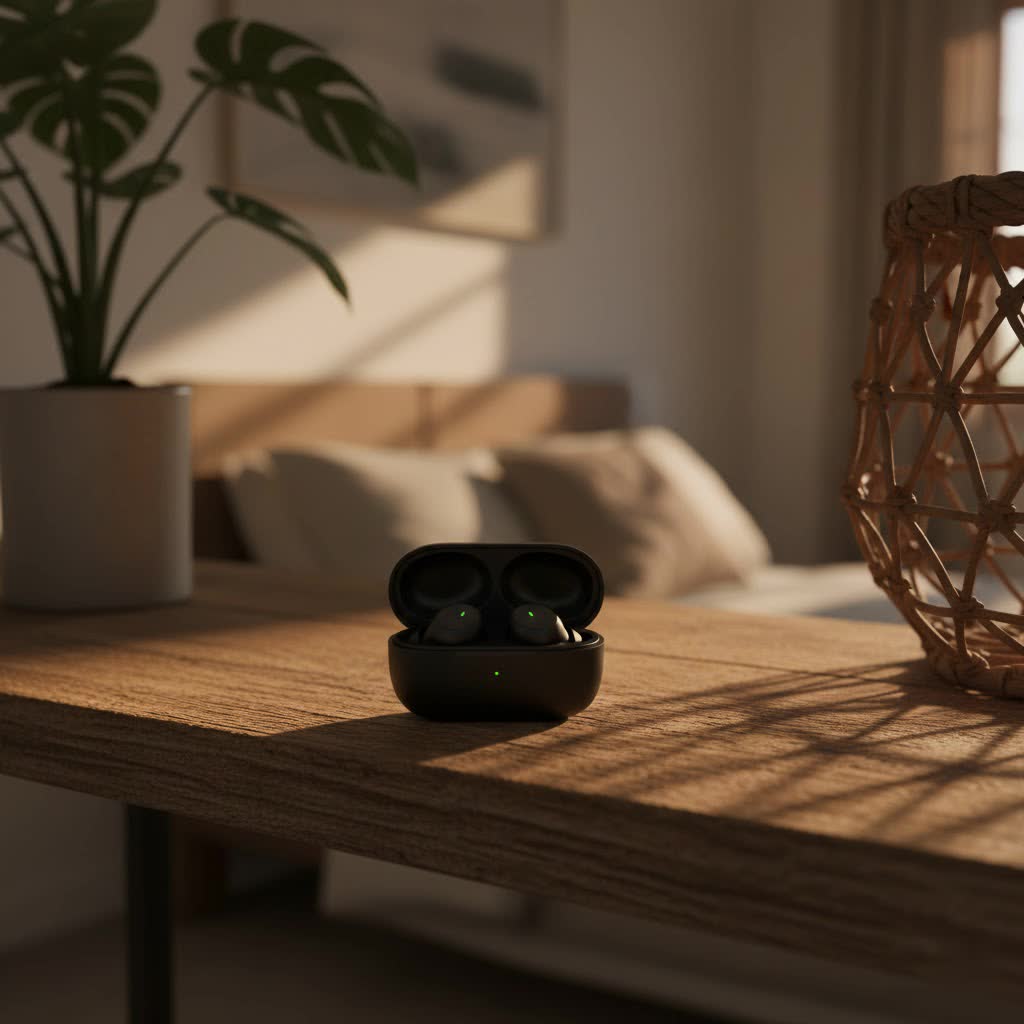
The Evolution of Wireless Earbuds: A Journey Through Sound Innovation
The journey of wireless earbuds began with early Bluetooth headsets, offering hands-free calling but often compromising on sound quality and form factor. These rudimentary devices paved the way for more sophisticated designs, eventually leading to the emergence of “True Wireless Stereo” (TWS) earbuds. TWS technology revolutionized the industry by completely eliminating all wires, allowing each earbud to function independently while seamlessly connecting to each other and your device.
Key milestones in their development include advancements in Bluetooth connectivity, improving range and stability, and the integration of powerful digital signal processing (DSP) chips. These innovations have enabled features like Active Noise Cancellation (ANC), which creates a quiet listening environment by actively canceling ambient sounds, and transparency modes that allow users to remain aware of their surroundings. Battery life has also seen significant improvements, moving from just a few hours to offerings that can last an entire workday and beyond with the help of compact charging cases. Today, wireless earbuds are not just audio devices; they are sophisticated wearable tech, often incorporating health tracking, voice assistant integration, and personalized sound profiles.
Unparalleled Advantages of Wireless Earbuds
Wireless earbuds have become indispensable for many, primarily due to their numerous benefits that cater to a modern, mobile lifestyle. The most significant advantage is undoubtedly convenience and flexibility. Without wires, you gain unrestricted movement, making them perfect for workouts, commutes, or simply moving around your home or office. You can easily connect them to a multitude of devices, from smartphones and tablets to laptops and smartwatches, offering a versatile audio solution across your digital ecosystem.
Beyond the untethered experience, wireless earbuds have made immense strides in sound quality. Modern models deliver rich, balanced audio with impressive bass, clear mids, and crisp highs, rivaling their wired counterparts. Features like Active Noise Cancellation (ANC) have transformed how we experience sound, effectively silencing the roar of airplane engines or the chatter of a busy office, allowing for focused listening or peaceful quiet. Conversely, Transparency Mode lets you hear your surroundings without removing your earbuds, an essential safety feature in urban environments. The compact and lightweight design further enhances their appeal, making them highly portable and easy to carry wherever you go.
Exploring Popular Categories of Wireless Earbuds
The market for wireless audio is diverse, offering various styles to suit different preferences. While this guide primarily focuses on “earbuds,” it’s helpful to understand the main categories:
True Wireless (TWS) Earbuds
|
Our Picks for the Best Wireless Earbuds in 2026
As an Amazon Associate I earn from qualifying purchases.
|
||
| Num | Product | Action |
|---|---|---|
| 1 | Apple AirPods Pro 3 Wireless Earbuds, Active Noise Cancellation, Live Translation, Heart Rate Sensing, Hearing Aid Feature, Bluetooth Headphones, Spatial Audio, High-Fidelity Sound, USB-C Charging |

|
| 2 | Wireless Earbuds, Bluetooth 5.4 Headphones, True Wireless Stereo Sound Earphones with Noise Cancelling Mic, Fast Charging, IPX7 Waterproof, Comfort Fit Ear Buds for Sports/Workouts/Travel (Deep Black) |
|
| 3 | TOZO A1 Wireless Earbuds Bluetooth 5.3 Light Weight in Ear IPX5 Waterproof Headphones 2 Mic for AI Calls, Immersive Premium Sound Bass Headset with Charging Case, 32 Presets EQ Customization via App |
|
| 4 | TOZO Headphones Lightweight with Multi-Angle Adjustment, Bluetooth 5.3 Earbuds with Dual-Axis Design for Long-Lasting Comfort, Crystal-Clear Calls for Driving |
|
| 5 | Open Ear Headphones, Bluetooth 5.4 Earbuds, 50H, Air Conduction Ear Buds, HD Stereo Bass Over Ear Earphones with Earhooks, Ultra-Comfort Secure, Purple |
|
| 6 | Wireless Earbuds, Bluetooth 5.4 HiFi Stereo Headphones with Noise Cancelling Mic, 50H Playback in Ear Buds with LED Digital Display, IPX7 Waterproof Earphones for Office/Running/Workout White |
|
| 7 | Apple AirPods 4 Wireless Earbuds, Bluetooth Headphones, Personalized Spatial Audio, Sweat and Water Resistant, USB-C Charging Case, H2 Chip, Up to 30 Hours of Battery Life, Effortless Setup for iPhone |
|
| 8 | Soundcore by Anker P20i True Wireless Earbuds, 10mm Drivers with Big Bass, Bluetooth 5.3, 30H Long Playtime, Water-Resistant, 2 Mics for AI Clear Calls, 22 Preset EQs, Customization via App |
|
| 9 | TAGRY Bluetooth Headphones True Wireless Earbuds 60H Playback LED Power Display Earphones with Wireless Charging Case IPX5 Waterproof in-Ear Ear buds with Mic for TV Smart Phone Laptop Computer Sports |
|
| 10 | kurdene Wireless Earbuds Bluetooth 5.3 in Ear Buds Light Weight Headphones,Deep Bass Sound,Built in Mics Headset,Clear Calls Earphones for Sports Workout |
|
These are the most popular and rapidly evolving type, featuring two completely independent earbuds that sit snugly in your ear canals. They come with a charging case that also serves as a portable power bank, extending battery life significantly. TWS earbuds are prized for their ultimate portability and discretion.
Neckband Earbuds
Before TWS became dominant, neckband earbuds offered a step towards wireless freedom. They consist of two earbuds connected by a band that rests around your neck. While less discreet than TWS, they offer better battery life and are less prone to being lost. They are often favored by those who prefer a more secure fit or longer listening sessions without needing to recharge the buds themselves.
Over-Ear Wireless Headphones
Though distinct from “earbuds,” the term “Chụp Tai” can sometimes refer to these larger, circumaural headphones. These offer superior sound isolation and often the best audio quality and battery life due to their size. They cover the entire ear, providing maximum comfort for extended use but sacrificing portability compared to earbuds.
Comparison of Earbud Types
| Feature | True Wireless | Neckband | Over-Ear Headphones (Chụp Tai) |
|---|---|---|---|
| Size | Small, highly compact | Medium, connected by a flexible band | Large, bulky |
| Battery Life | Moderate (4-12 hrs per charge, extended by case) | Good (8-15 hrs per charge) | Very Good (20-60+ hrs per charge) |
| Portability | Extremely high, fits in pocket | High, can hang around neck when not in use | Moderate, requires a bag or case |
| Sound Quality | Good to Excellent | Good to Excellent | Excellent, often best in class |
| Noise Isolation | Passive + ANC (if available) | Passive + ANC (if available) | Superior Passive + ANC (if available) |
| Price Range | Diverse (budget to premium) | Moderate (budget to mid-range) | High (mid-range to premium) |
Leading Brands in the Wireless Earbuds Market
The competitive landscape of wireless earbuds is dominated by several key players, each offering distinct advantages and catering to different user bases:
- Apple AirPods: Renowned for seamless integration with iOS devices, excellent ANC (Pro models), and intuitive controls.
- Sony: Consistently praised for industry-leading ANC and exceptional audio fidelity, particularly in their WF-1000XM series.
- Bose: A strong contender in noise cancellation, offering powerful sound and comfortable fits with their QuietComfort line.
- Samsung: Provides deep integration with Galaxy devices, innovative features, and competitive sound quality with their Galaxy Buds series.
- Technics: Gaining significant recognition for balanced, high-fidelity sound and robust feature sets.
- Jabra: Known for their strong performance in call quality, durability, and workout-focused designs.
- Sennheiser: Offers premium audio experiences with a focus on detailed sound reproduction.
- Anker Soundcore: Provides excellent value with feature-rich earbuds at more accessible price points.
- Nothing: An emerging brand making waves with distinctive designs and impressive performance for their price.
Your Ultimate Buying Guide: Choosing the Perfect Wireless Earbuds
Selecting the best wireless earbuds can feel overwhelming with the myriad of options available. To make an informed decision, consider these key criteria:
1. Sound Quality
This is paramount for any audio device. Look for earbuds that offer a balanced sound profile across bass, mids, and highs. Consider models with larger drivers (8-12mm) for potentially richer bass and a wider frequency response (typically 20Hz-20kHz) for detailed audio. Support for advanced audio codecs like AAC (for Apple users), aptX (for Android), and LDAC can significantly improve sound resolution, especially with high-quality audio sources. Many premium earbuds also offer customizable EQ settings via companion apps, allowing you to tailor the sound to your preference.
2. Battery Life
Consider your typical usage patterns. A good pair of earbuds should offer at least 5-8 hours of continuous playback on a single charge. The accompanying charging case is crucial, providing multiple additional charges to extend total listening time to 20-30 hours or more. Remember that using Active Noise Cancellation (ANC) will typically reduce battery life by 20-30%. Look for fast charging capabilities if you’re often on the go.
3. Noise Cancellation and Awareness
- Active Noise Cancellation (ANC): Essential for frequent commuters, travelers, or anyone working in noisy environments. High-quality ANC effectively blocks out low-frequency hums and mid-range chatter.
- Passive Noise Isolation: Achieved through a snug fit, this naturally blocks some ambient noise.
- Transparency Mode (or Ambient Sound Mode): Allows external sounds to pass through, keeping you aware of your surroundings, which is vital for safety when walking outdoors or needing to hear announcements.
4. Comfort and Fit
Earbuds must be comfortable for extended wear and remain secure during activities.
- Ergonomic Design: Look for shapes that conform naturally to your ear.
- Multiple Ear Tips: Most earbuds come with various silicone or foam ear tip sizes to ensure a personalized, secure seal, which is critical for both comfort and sound quality.
- Lightweight: Lighter earbuds reduce ear fatigue.
- Stability Features: For workouts, look for models with ear hooks or stability fins.
5. Durability and Water Resistance
If you plan to use your earbuds during workouts or in wet conditions, check their IP (Ingress Protection) rating.
- IPX4: Resistant to splashes from any direction (sweat and light rain).
- IP54/IP55: Offers protection against dust and water sprays.
- IP57: Can withstand temporary submersion in water (typically up to 1 meter for 30 minutes) and is dust-tight.
6. Connectivity and Features
- Bluetooth Version: Newer versions (e.g., Bluetooth 5.2, 5.3, 5.4) offer improved stability, range, and power efficiency.
- Multi-device Pairing: Allows seamless switching between two or more connected devices.
- Quick Pairing: Features like Google Fast Pair (Android) and seamless Apple ecosystem integration (AirPods) simplify the setup process.
- Controls: Evaluate whether you prefer touch controls or physical buttons, and if they are customizable.
- Voice Assistant Integration: Access to Siri, Google Assistant, or Alexa directly from your earbuds.
- Spatial Audio: Creates an immersive, three-dimensional sound experience.
- Wireless Charging: Conveniently charge the case on a wireless charging pad.
7. Price Segment
Align your expectations and features with your budget:
- Budget-friendly (Under $100): Offers solid sound, decent battery life, and sometimes basic ANC. Great for everyday listening.
- Mid-range ($100-$200): Provides enhanced sound quality, more effective ANC, improved battery life, and additional smart features.
- Premium (Over $200): Top-tier sound fidelity, best-in-class ANC, advanced features, superior build quality, and seamless ecosystem integration.
Top-Rated Wireless Earbuds: Our Expert Picks
Based on extensive testing and critical acclaim, here are some of the best-rated wireless earbuds across various categories:
Overall Best Performer: Technics EAH-AZ100
The Technics EAH-AZ100 consistently earns top marks for its superb, balanced audio quality and comprehensive feature set. These earbuds offer crystal-clear sound, effective noise cancellation, and impressive battery life, making them an excellent all-rounder for discerning listeners.
Best for Noise Cancellation: Bose QuietComfort Ultra Earbuds (2nd Gen)
For those who prioritize silence, the Bose QuietComfort Ultra Earbuds (2nd Gen) are unrivaled. They deliver class-leading Active Noise Cancellation that effectively mutes even the loudest environments, paired with rich, powerful audio for an immersive listening experience.
Best for Apple Users: Apple AirPods Pro 3
Seamless integration with the Apple ecosystem, exceptional ANC, and features like Adaptive Audio and enhanced Spatial Audio make the AirPods Pro 3 the go-to choice for iPhone, iPad, and Mac users. They also boast improved battery life and an IP57 rating for durability.
Best for Android Users: Samsung Galaxy Buds 3 Pro / Google Pixel Buds Pro 2
While the Technics EAH-AZ100 also performs exceptionally well with Android, the Samsung Galaxy Buds 3 Pro offers deep integration with Samsung devices, advanced audio features, and stellar call quality. For Pixel users, the Google Pixel Buds Pro 2 provides seamless pairing, robust ANC, and excellent audio tailored for the Android experience.
Best Budget Pick: Nothing Ear (a) / OnePlus Buds 3
If you’re looking for exceptional value without compromising too much on performance, the Nothing Ear (a) offers energetic sound and good ANC at a surprisingly affordable price. The OnePlus Buds 3 is another strong contender, providing great sound and features for under $100.
Best Premium Sound: Sony WF-1000XM5
The Sony WF-1000XM5 earbuds are celebrated for their outstanding audio fidelity and dynamic soundstage. Coupled with superb noise cancellation, these earbuds offer a truly premium listening experience, making them a favorite among audiophiles.
Best for Workouts: Powerbeats Pro 2 / Bose Ultra Open Earbuds
Designed with active lifestyles in mind, the Powerbeats Pro 2 offers a secure ear-hook design and excellent sweat resistance, ensuring they stay put during intense workouts. The Bose Ultra Open Earbuds provide a unique open-ear design, perfect for those who need to stay aware of their surroundings while exercising.
How to Use and Maintain Your Wireless Earbuds
To maximize the lifespan and performance of your wireless earbuds, proper usage and maintenance are key.
Connecting to Your Devices
- Initial Pairing: Most wireless earbuds enter pairing mode automatically when removed from their case for the first time. On your smartphone (iOS or Android), go to Bluetooth settings and select your earbuds from the list of available devices.
- iOS Specifics: Apple AirPods leverage the H2/H1 chip for instant pairing with all Apple devices linked to your iCloud account.
- Android Specifics: Many Android-compatible earbuds utilize Google Fast Pair for quick, hassle-free pairing with Android devices.
- Multi-device Connection: If your earbuds support multipoint, they can seamlessly switch between two connected devices (e.g., your phone and laptop) without re-pairing.
Cleaning and Storage
Regular cleaning prevents ear wax and debris from affecting sound quality and hygiene.
- Earbuds: Gently wipe the ear tips and earbud surface with a soft, dry, lint-free cloth. For more stubborn grime, a slightly dampened cloth (with water or a mild electronic cleaner) can be used, ensuring no liquid enters the speaker grille.
- Charging Case: Clean the charging contacts and the inside of the case with a dry cotton swab or soft brush.
- Storage: Always store your earbuds in their charging case when not in use. This protects them from damage, keeps them charged, and reduces the risk of misplacement.
Troubleshooting Common Issues
- No Sound/Connectivity: Ensure Bluetooth is on, earbuds are charged, and try re-pairing them.
- Uneven Volume: Clean the ear tips and speaker grilles, and ensure a proper fit.
- Poor Call Quality: Check microphone ports for obstructions and ensure you’re in a quiet environment.
- Factory Reset: If issues persist, refer to your earbud’s manual for a factory reset procedure, which often resolves software glitches.
Conclusion: Finding Your Perfect Sound Companion
The market for wireless earbuds is more vibrant and feature-rich than ever before, offering an incredible range of options to suit every need, preference, and budget. From the seamless integration of Apple AirPods Pro 3 to the audiophile-grade sound of Sony WF-1000XM5 and the class-leading noise cancellation of Bose QuietComfort Ultra Earbuds, there’s a perfect pair waiting for you. By considering factors such as sound quality, battery life, noise cancellation capabilities, comfort, and durability, you can confidently navigate the choices and find earbuds that truly enhance your daily audio experience.
Which feature do you value most when choosing your next pair of wireless earbuds?
Frequently Asked Questions
What are the best wireless earbuds for small ears?
For those with smaller ears, comfort is key. Look for compact, lightweight models that come with a wide range of ear tip sizes, including extra-small options. Brands like Apple AirPods Pro (with customizable ear tips) and certain Sony models are often praised for their ergonomic design and comfortable fit for smaller ear canals.
How often should I clean my wireless earbuds?
It’s recommended to lightly clean your wireless earbuds after each use, especially the ear tips, to remove any earwax or debris. A more thorough cleaning, including the charging contacts and case, should be done weekly or bi-weekly to maintain optimal performance and hygiene.
What is ANC and do I need it?
ANC, or Active Noise Cancellation, is a technology that uses microphones to detect ambient noise and then generates an “anti-noise” signal to cancel it out. You need ANC if you frequently find yourself in noisy environments like public transport, airplanes, or busy offices, and wish to enjoy your audio or simply have peace and quiet.
How long do wireless earbuds typically last?
The lifespan of wireless earbuds can vary, but with proper care, a good quality pair can last anywhere from 2 to 5 years. Battery degradation is often the first component to show wear, but keeping them clean, stored in their case, and avoiding extreme temperatures can extend their life.
Can I use wireless earbuds for phone calls?
Absolutely. Most modern wireless earbuds are equipped with built-in microphones designed for phone calls. Many premium models feature advanced microphone arrays and noise reduction technology to ensure clear voice pickup, even in moderately noisy environments, making them excellent for hands-free communication.
