In a world increasingly reliant on portable sound, wireless earbuds have become indispensable. Yet, for many, the quest for truly comfortable wireless earbuds remains elusive. That nagging discomfort, the constant readjustment, or the fear of them falling out can turn a great listening experience into a frustrating ordeal. This comprehensive guide, crafted from years of dedicated audio expertise, will navigate you through the critical factors, innovative designs, and top models that prioritize unparalleled comfort, ensuring your audio journey is nothing short of enjoyable and pain-free.
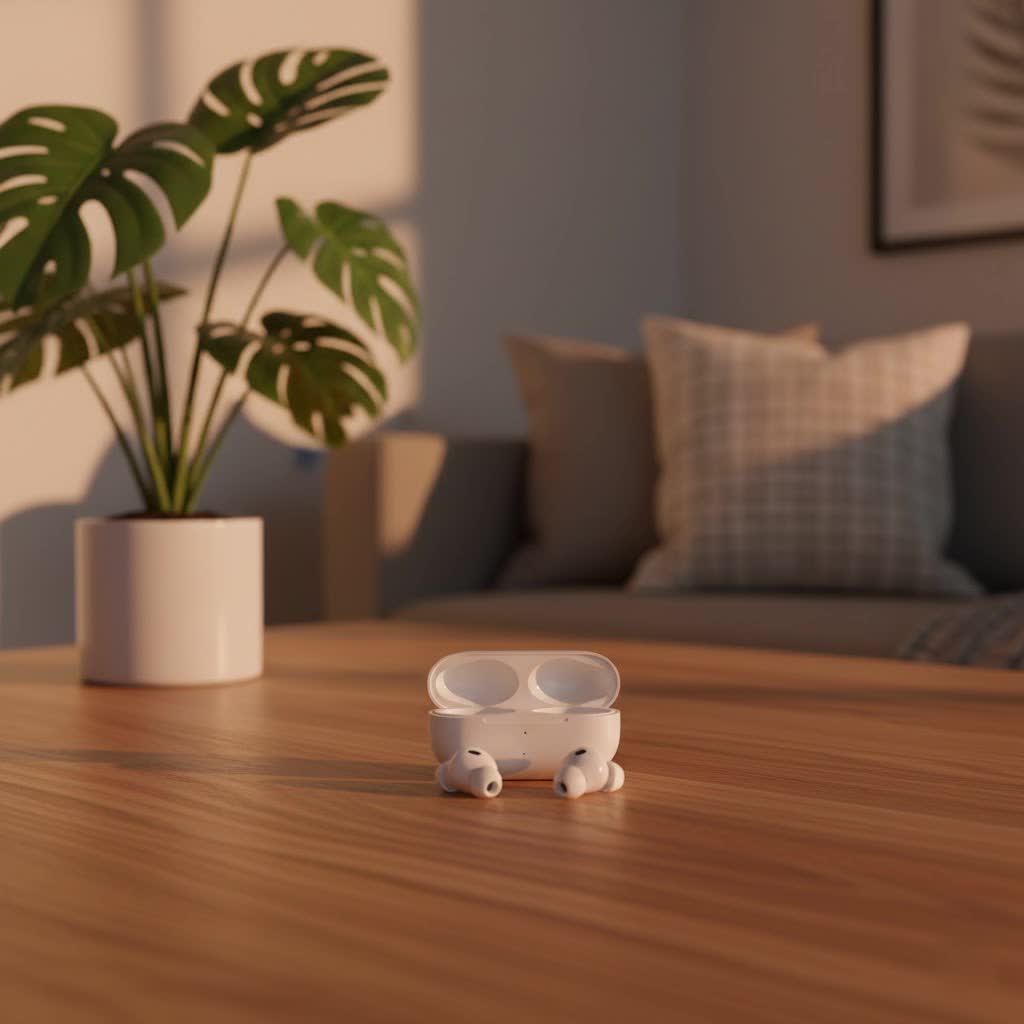
Wireless Earbuds: A Modern Audio Solution Rooted in Comfort
Wireless earbuds have dramatically transformed how we consume audio, offering unmatched freedom and convenience. From bustling commutes to intense workouts, or simply enjoying music at home, these tiny devices deliver our soundtracks untethered. However, the true magic unfolds when these technological marvels merge seamlessly with our physical comfort. An earbud that fits well not only feels better but also significantly enhances sound quality, proving that comfort is not just a luxury, but a fundamental element of a superior audio experience.
The Evolution of Wireless Earbuds and Their Comfort Journey
|
Our Picks for the Best Wireless Earbuds in 2026
As an Amazon Associate I earn from qualifying purchases.
|
||
| Num | Product | Action |
|---|---|---|
| 1 | Apple AirPods 4 Wireless Earbuds, Bluetooth Headphones, Personalized Spatial Audio, Sweat and Water Resistant, USB-C Charging Case, H2 Chip, Up to 30 Hours of Battery Life, Effortless Setup for iPhone |

|
| 2 | TAGRY Bluetooth Headphones True Wireless Earbuds 60H Playback LED Power Display Earphones with Wireless Charging Case IPX5 Waterproof in-Ear Ear buds with Mic for TV Smart Phone Laptop Computer Sports |
|
| 3 | Apple AirPods Pro 3 Wireless Earbuds, Active Noise Cancellation, Live Translation, Heart Rate Sensing, Hearing Aid Feature, Bluetooth Headphones, Spatial Audio, High-Fidelity Sound, USB-C Charging |
|
| 4 | Open Ear Headphones, Bluetooth 5.4 Earbuds, 50H, Air Conduction Ear Buds, HD Stereo Bass Over Ear Earphones with Earhooks, Ultra-Comfort Secure, Purple |
|
| 5 | kurdene Wireless Earbuds Bluetooth 5.3 in Ear Buds Light Weight Headphones,Deep Bass Sound,Built in Mics Headset,Clear Calls Earphones for Sports Workout |
|
| 6 | TOZO Headphones Lightweight with Multi-Angle Adjustment, Bluetooth 5.3 Earbuds with Dual-Axis Design for Long-Lasting Comfort, Crystal-Clear Calls for Driving |
|
| 7 | Soundcore by Anker P20i True Wireless Earbuds, 10mm Drivers with Big Bass, Bluetooth 5.3, 30H Long Playtime, Water-Resistant, 2 Mics for AI Clear Calls, 22 Preset EQs, Customization via App |
|
| 8 | Wireless Earbuds, Bluetooth 5.4 HiFi Stereo Headphones with Noise Cancelling Mic, 50H Playback in Ear Buds with LED Digital Display, IPX7 Waterproof Earphones for Office/Running/Workout White |
|
| 9 | Wireless Earbuds, Bluetooth 5.4 Headphones, True Wireless Stereo Sound Earphones with Noise Cancelling Mic, Fast Charging, IPX7 Waterproof, Comfort Fit Ear Buds for Sports/Workouts/Travel (Deep Black) |
|
| 10 | TOZO A1 Wireless Earbuds Bluetooth 5.3 Light Weight in Ear IPX5 Waterproof Headphones 2 Mic for AI Calls, Immersive Premium Sound Bass Headset with Charging Case, 32 Presets EQ Customization via App |
|
The journey of wireless earbuds began with bulky Bluetooth headsets, a far cry from the sleek, miniature devices we know today. Early models often compromised on fit and feel, leading to pressure points and instability. However, relentless innovation has driven significant advancements. Manufacturers now prioritize ergonomic designs that conform to the natural contours of the ear, employing lighter materials, and, crucially, offering a diverse array of ear tip options. These developments have transformed earbuds from mere audio transmitters into personal sound companions designed for extended, comfortable wear. The focus has shifted from just sound to holistic user experience, with comfort being a cornerstone of modern earbud design.
The Unparalleled Advantages of Truly Comfortable Wireless Earbuds
Investing in the most comfortable wireless earbuds offers benefits far beyond simple wearability. A superior fit translates directly into a superior listening experience, enhancing every aspect of your audio journey.
- Effortless Convenience and Flexibility: Without the constant need to adjust or fear of losing an earbud, you gain true freedom of movement, whether you’re multitasking at home or navigating a busy city.
- Seamless Device Connectivity: Modern comfortable earbuds are designed for quick and stable Bluetooth connections, ensuring your audio starts and stays without annoying interruptions.
- Elevated Sound Quality: A proper, comfortable seal in your ear canal is vital for optimal audio performance. It locks in bass frequencies, enhances clarity across all ranges, and effectively isolates external noise, letting you truly immerse yourself in your music.
- All-Day Wearability: For professionals, students, and frequent travelers, earbuds that can be worn for hours without causing discomfort or fatigue are invaluable, making long calls, study sessions, or flights much more tolerable.
Popular Wireless Earbud Categories and Their Comfort Profiles
While the term “wireless earbuds” encompasses a broad range, two primary types dominate the market, each with distinct comfort characteristics:
- True Wireless Stereo (TWS) Earbuds: These are the most common and compact, with no physical connection between the two earbuds or to your device. Their comfort heavily relies on their ergonomic shell design, lightweight construction, and the quality and variety of included ear tips. Many prioritize a “barely there” feel, aiming for discreet, all-day wear.
- Neckband Wireless Earbuds: These feature earbuds connected by a flexible band that rests around your neck. While less common in the “most comfortable” conversation compared to TWS, they often provide excellent stability for active users, as the neckband absorbs some weight and prevents loss. The comfort here depends on both the earbud fit and the neckband’s material and weight distribution.
Decoding Earbud Comfort: Key Factors Compared
Understanding what makes an earbud comfortable involves several critical design and material choices. Here’s a look at how different aspects contribute to the overall feel.
| Comfort Factor | Impact on Wearability | Ideal Characteristics |
|---|---|---|
| Fit & Ergonomics | Prevents pressure points, slipping, or a loose feeling. | Contoured shape, lightweight, even pressure distribution. |
| Ear Tip Material | Influences seal, pressure, and long-term comfort. | Soft silicone for versatility, memory foam for secure fit. |
| Weight | Reduces ear fatigue during extended listening. | As light as possible, ideally under 6-7 grams per earbud. |
| Pressure Vents | Prevents “suction” feeling, especially with ANC. | Integrated vent systems for air circulation. |
| Stability Aids | Ensures earbuds stay put during movement. | Optional ear fins, wings, or specific ergonomic curves. |
Leading Brands Dedicated to Earbud Comfort
Several brands consistently earn praise for their commitment to user comfort, leveraging advanced engineering and thoughtful design:
- Apple AirPods Pro: Renowned for their lightweight build, pressure-equalizing vent system, and multiple silicone ear tip sizes that adapt to many ear shapes.
- Sony WF-1000XM5: Sony has significantly refined its design, making these flagship earbuds smaller and lighter than predecessors, incorporating new foam ear tips for a more ergonomic and comfortable fit.
- Bose QuietComfort Earbuds: True to their name, Bose focuses heavily on comfort, offering soft silicone StayHear Max tips and stability bands that allow users to find a customized, secure fit without an uncomfortable “suction” sensation.
- Samsung Galaxy Buds: Known for their incredibly lightweight design and ergonomic contours that nestle snugly into the ear, minimizing pressure points.
- Jabra Elite Series: Often highlighted for their secure and comfortable fit, designed to stay put even during vigorous activity.
Your Ultimate Buying Guide for Comfortable Wireless Earbuds
Choosing the most comfortable wireless earbuds requires a methodical approach, focusing on how different features interact with your unique ear anatomy and usage habits.
1. Prioritize Fit and Ergonomics
The physical design of the earbud itself is paramount. Look for models with a contoured, ergonomic shape that naturally conforms to your ear’s anatomy. A good design will distribute pressure evenly across your ear, preventing discomfort, especially after prolonged use. Earbuds that are lightweight are also crucial, as heavier models can cause fatigue and a feeling of being weighed down. Remember that ear shapes vary significantly, so what’s comfortable for one person might not be for another.
2. The Crucial Role of Ear Tips
Ear tips are the primary point of contact with your ear canal and are perhaps the single most important factor for comfort and sound quality.
- Material:
- Silicone Tips: Most common, durable, washable, and available in many shapes and sizes. Softer silicone offers better comfort, but they can sometimes slip if your ears get sweaty.
- Memory Foam Tips: These expand to fill your ear canal, providing an exceptional seal for noise isolation and a secure, personalized fit. They are often praised for comfort during workouts but can be less durable than silicone and might create more pressure for some users.
- Hybrid Tips: Some earbuds offer tips that combine materials, aiming for the best of both worlds – the durability of silicone with the conforming properties of foam.
- Size and Variety: Ensure the earbuds come with a generous selection of ear tip sizes (XS, S, M, L, XL, or even oval shapes). Experimenting with all options is essential to find the perfect seal and comfort level. A proper seal not only feels better but also significantly improves bass response and noise isolation.
3. Managing Ear Pressure
Some in-ear designs, particularly those with strong Active Noise Cancellation (ANC), can create a “suction” feeling in the ear canal, leading to discomfort. Look for earbuds that incorporate vent systems (like those found in Apple AirPods Pro) designed to equalize pressure, making them more comfortable for extended listening, even with ANC engaged.
4. Stability for Active Lifestyles
If you plan to use your earbuds during workouts or active movement, stability features are key. Some earbuds come with optional ear fins or wings that anchor them more securely in the outer ear, preventing them from slipping out due to sweat or motion. These can significantly enhance confidence and comfort during physical activity.
5. Battery Life for Uninterrupted Comfort
While not directly a comfort feature, a long battery life contributes to comfort by reducing the need for frequent charging and re-insertion. This means fewer interruptions and a more seamless listening experience.
6. Water Resistance (IP Rating)
For those with active lifestyles, an appropriate IP rating (e.g., IPX4 or higher) ensures your earbuds can withstand sweat and light splashes. Knowing your earbuds are durable against moisture contributes to peace of mind and, implicitly, comfort during workouts.
Price Ranges for Comfortable Wireless Earbuds
Comfort can be found across various price points, but typically, higher-end models integrate more advanced comfort-enhancing technologies and materials.
- Budget-Friendly (Under $100): You can find surprisingly comfortable options here, often focusing on lightweight design and multiple silicone ear tips. Brands like Anker Soundcore or Earfun often deliver good value.
- Mid-Range ($100-$200): This segment introduces more refined ergonomics, better quality ear tip materials (sometimes including foam options), and features like pressure-relieving vents. Models from Nothing Ear or some JBL series fit here.
- Premium/High-End (Over $200): This is where you find the pinnacle of comfort engineering, with sophisticated ergonomic designs, advanced ear tip fitting systems, pressure equalization, and premium materials. Leading examples include Apple AirPods Pro, Sony WF-1000XM5, and Bose QuietComfort Ultra Earbuds.
Top-Rated Wireless Earbuds for Unrivaled Comfort
Based on extensive testing and user feedback, these models consistently rank among the most comfortable wireless earbuds available today:
- Apple AirPods Pro (2nd Generation/3rd Generation): Praised for their feather-light design and pressure-equalizing vents, offering a truly comfortable fit for most users, even with ANC activated. They include multiple silicone ear tips for customization.
- Sony WF-1000XM5: Sony significantly redesigned these, making them smaller and lighter than their predecessors. The updated ergonomic shape combined with high-quality foam ear tips provides a snug and incredibly comfortable seal.
- Bose QuietComfort Ultra Earbuds: Living up to their name, these earbuds prioritize comfort. They feature soft silicone StayHear Max tips and stability bands that allow for extensive customization, ensuring a secure fit without creating a “plugged” sensation.
- Samsung Galaxy Buds 2 Pro / 3 Pro: Incredibly lightweight at around 5.5 grams per earbud, their ergonomic redesign helps them sit snugly and discreetly in the ear, minimizing pressure and maximizing comfort.
- Technics EAH-AZ80: These are noted for being small, light, and comfortable for extended listening periods, thanks to their carefully engineered design and a wide selection of ear tip sizes.
Maximizing Comfort: Usage and Maintenance Tips
Even the most comfortable wireless earbuds can feel subpar if not used or maintained correctly.
- Master the Fit: Always try all included ear tip sizes. A slightly larger or smaller tip can make a huge difference in comfort and sound quality. Perform an “ear tip fit test” if your earbuds offer one via their companion app.
- Proper Insertion: Gently insert the earbud and twist slightly until you feel a secure, comfortable seal. Avoid forcing them in, which can cause discomfort.
- Regular Cleaning: Earwax and debris can build up on ear tips and in the earbud nozzle, affecting fit and hygiene. Clean your earbuds regularly with a soft, dry cloth and mild cleaning solutions as recommended by the manufacturer to prevent irritation.
- Take Breaks: For extremely long listening sessions, occasionally remove your earbuds for a few minutes to give your ears a rest, preventing ear fatigue and promoting circulation.
Seamless Connectivity for Enhanced Comfort
Connecting your comfortable wireless earbuds is usually a straightforward process. For iOS devices, simply open the case near your iPhone for instant pairing. For Android devices, activate Bluetooth in your phone’s settings, open the earbud case, and select them from the list of available devices. Many premium earbuds also offer multipoint connectivity, allowing you to switch seamlessly between two devices without re-pairing, adding another layer of convenience and comfort to your daily use.
Conclusion
The pursuit of the most comfortable wireless earbuds is a highly personal journey, but one that yields immense rewards in overall audio satisfaction. By understanding the critical roles of ergonomic design, diverse ear tip options, lightweight construction, and pressure management, you are now equipped to make an informed choice. Remember that your unique ear anatomy is the ultimate judge, so prioritize brands that offer customization and thoughtful engineering. Embrace the freedom of truly comfortable listening, where your music and calls are enjoyed without compromise. What comfort feature do you value most in your perfect pair of wireless earbuds?
Frequently Asked Questions
Are memory foam or silicone ear tips more comfortable?
Both have their merits. Memory foam tips conform deeply to your ear canal, offering a secure, custom-like fit and excellent noise isolation, which many find supremely comfortable. Silicone tips are generally more durable, easier to clean, and come in various softness levels, providing good all-around comfort and flexibility. The best choice often comes down to personal preference and usage.
Why do my earbuds hurt my ears after long use?
Earbuds typically cause pain due to an improper fit, excessive pressure from stiff materials, or designs that don’t match your ear’s anatomy. Overly tight ear tips, heavy earbuds, or a lack of pressure equalization can lead to discomfort and fatigue over time. Experimenting with different ear tip sizes and materials is often the solution.
How do I know if my earbuds fit properly?
A proper earbud fit creates a snug but comfortable seal in your ear canal. You should experience enhanced bass response, effective noise isolation, and feel minimal pressure or looseness. Many modern earbuds, especially premium models, offer an “ear tip fit test” through their companion apps to help you verify the seal.
Can wireless earbuds cause ear infections?
While rare, improper hygiene can contribute to ear infections. Earbuds can trap moisture and bacteria in the ear canal if not cleaned regularly. To minimize risk, ensure your ear tips are clean, avoid sharing earbuds, and take breaks during extended use to allow your ears to air out.
