Stepping into a world of unrestricted audio freedom often starts with a single question: which True Wireless Earbuds are right for you? These compact marvels have redefined how we experience sound, offering unparalleled convenience and increasingly sophisticated audio quality. Forget tangled wires and cumbersome connections; true wireless earbuds represent the pinnacle of portable listening, seamlessly integrating into our bustling lives. This comprehensive guide will navigate the intricate landscape of true wireless technology, helping you discover the perfect pair to match your unique needs and elevate your auditory journey.
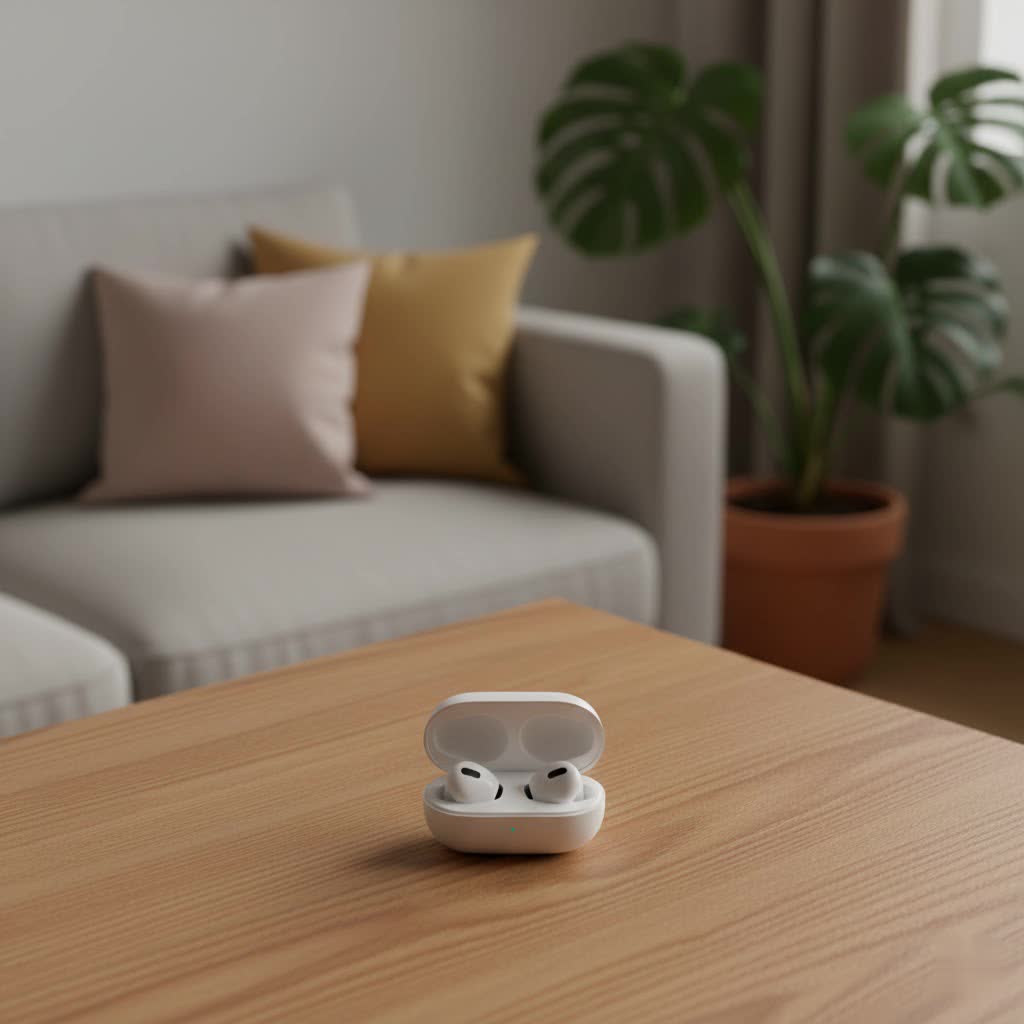
The Evolution of Untethered Sound: A History of True Wireless Earbuds
The journey of true wireless earbuds is a testament to rapid technological advancement, transforming from ambitious prototypes into everyday essentials. The concept of completely wire-free in-ear audio began taking shape in the early 2010s. German startup Bragi first garnered significant attention with its crowdfunding campaign for The Dash in 2014, promising not just wireless audio but also integrated fitness tracking and ambient sound control. Though Swedish company Earin and Japanese giant Onkyo also entered the nascent market around this time, connectivity issues and limited battery life were common challenges.
The real game-changer arrived in 2016 with the introduction of Apple AirPods. Their seamless integration with iOS devices, automatic pairing, and intuitive touch controls set a new industry standard, propelling true wireless technology into the mainstream. This spurred a wave of innovation across the industry, with manufacturers tirelessly working to miniaturize components, improve battery efficiency, and enhance sound fidelity. Advanced audio codecs like aptX and AAC became more prevalent, delivering higher-quality wireless sound. Today, the evolution continues with Bluetooth LE Audio promising even more energy-efficient transmission and features like spatial audio offering immersive soundscapes.
The Unrivaled Advantages of True Wireless Earbuds
True wireless earbuds offer a compelling array of benefits that have cemented their place as a preferred audio solution for millions. Their inherent wireless freedom is perhaps the most significant, eliminating the frustration of tangled cords and allowing for unhindered movement during workouts, commutes, or daily tasks. This goes hand-in-hand with their exceptional portability; their compact size means they can effortlessly slip into a pocket or bag, always ready for use.
Beyond convenience, modern true wireless earbuds deliver impressive sound quality, with many models now rivaling their wired counterparts thanks to improved drivers and advanced audio processing. Active Noise Cancellation (ANC) has become a standard feature in many premium and even mid-range models, effectively silencing distractions from the outside world. Furthermore, the accompanying charging cases dramatically extend battery life, providing multiple charges on the go. Compatibility is also a strong suit, with most true wireless earbuds offering seamless connectivity across a wide range of Bluetooth-enabled devices, from smartphones and tablets to laptops and smartwatches.
Navigating the Landscape: Classifying Wireless Earbuds
While “true wireless earbuds” specifically refers to completely wire-free in-ear devices, it’s helpful to understand their place within the broader spectrum of wireless personal audio.
-
True Wireless (TWS) Earbuds: These are the focus of our discussion, characterized by having no physical connection between the two earpieces or to the audio source. Each earbud operates independently, communicating directly with your device via Bluetooth. They are known for their ultimate portability and discretion.
-
Neckband Wireless Earbuds: Before TWS took over, many wireless earbuds featured a short cable or a flexible neckband connecting the two earpieces. This design often housed larger batteries and controls, reducing the risk of losing individual buds. While less common now, they still offer a secure fit for some users and can provide longer continuous battery life than standalone earbuds.
-
Wireless Over-Ear/On-Ear Headphones: These larger headphones completely enclose or sit on the ear, offering different levels of comfort, sound isolation, and often superior sound quality or battery life compared to earbuds. They are a popular choice for home listening or dedicated audiophiles who prioritize immersive sound over portability.
Comparing Popular Wireless Earbud Types
|
Our Picks for the Best Wireless Earbuds in 2026
As an Amazon Associate I earn from qualifying purchases.
|
||
| Num | Product | Action |
|---|---|---|
| 1 | TOZO A1 Wireless Earbuds Bluetooth 5.3 Light Weight in Ear IPX5 Waterproof Headphones 2 Mic for AI Calls, Immersive Premium Sound Bass Headset with Charging Case, 32 Presets EQ Customization via App |

|
| 2 | kurdene Wireless Earbuds Bluetooth 5.3 in Ear Buds Light Weight Headphones,Deep Bass Sound,Built in Mics Headset,Clear Calls Earphones for Sports Workout |
|
| 3 | TAGRY Bluetooth Headphones True Wireless Earbuds 60H Playback LED Power Display Earphones with Wireless Charging Case IPX5 Waterproof in-Ear Ear buds with Mic for TV Smart Phone Laptop Computer Sports |
|
| 4 | TOZO Headphones Lightweight with Multi-Angle Adjustment, Bluetooth 5.3 Earbuds with Dual-Axis Design for Long-Lasting Comfort, Crystal-Clear Calls for Driving |
|
| 5 | Wireless Earbuds, Bluetooth 5.4 HiFi Stereo Headphones with Noise Cancelling Mic, 50H Playback in Ear Buds with LED Digital Display, IPX7 Waterproof Earphones for Office/Running/Workout White |
|
| 6 | Apple AirPods Pro 3 Wireless Earbuds, Active Noise Cancellation, Live Translation, Heart Rate Sensing, Hearing Aid Feature, Bluetooth Headphones, Spatial Audio, High-Fidelity Sound, USB-C Charging |
|
| 7 | Wireless Earbuds, Bluetooth 5.4 Headphones, True Wireless Stereo Sound Earphones with Noise Cancelling Mic, Fast Charging, IPX7 Waterproof, Comfort Fit Ear Buds for Sports/Workouts/Travel (Deep Black) |
|
| 8 | Open Ear Headphones, Bluetooth 5.4 Earbuds, 50H, Air Conduction Ear Buds, HD Stereo Bass Over Ear Earphones with Earhooks, Ultra-Comfort Secure, Purple |
|
| 9 | Apple AirPods 4 Wireless Earbuds, Bluetooth Headphones, Personalized Spatial Audio, Sweat and Water Resistant, USB-C Charging Case, H2 Chip, Up to 30 Hours of Battery Life, Effortless Setup for iPhone |
|
| 10 | Soundcore by Anker P20i True Wireless Earbuds, 10mm Drivers with Big Bass, Bluetooth 5.3, 30H Long Playtime, Water-Resistant, 2 Mics for AI Clear Calls, 22 Preset EQs, Customization via App |
|
To help clarify the differences, here’s a quick comparison:
| Feature | True Wireless | Neckband | Over-Ear Headphones |
|---|---|---|---|
| Size | Very compact, discreet | Medium, lightweight neckband | Large, prominent |
| Portability | Extremely high (fits in pocket) | High (can hang around neck) | Medium (requires bag/case) |
| Battery Life | Moderate (extended with charging case) | Good (often longer continuous play) | Very good to excellent |
| Sound Quality | Good to excellent, rapidly improving | Good, often stable | Excellent, typically superior |
| Noise Isolation | Passive + ANC in many models | Passive, some with ANC | Passive + ANC in many models |
| Fit Security | Relies on ear tips/design | Secure, less prone to loss | Headband and earcups |
| Price | Diverse, from budget to premium | Mostly budget to mid-range | Diverse, from mid-range to high-end premium |
Leading the Charge: Prominent True Wireless Earbuds Brands
The true wireless earbud market is highly competitive, featuring both established audio giants and innovative newcomers. Each brand often brings its unique philosophy and technological strengths to the table:
- Apple AirPods: Synonymous with seamless iOS integration, intuitive controls, and a distinctive design.
- Sony: Renowned for exceptional active noise cancellation and rich, detailed audio performance in models like the WF-1000XM5.
- Samsung: Offers strong integration within the Android and Samsung ecosystem, often with advanced features and comfortable designs.
- Bose: A leader in noise-canceling technology, delivering powerful sound and effective quietness.
- Jabra: Known for excellent call quality, robust fitness features, and durable designs.
- Anker (Soundcore): Provides excellent value, offering feature-rich earbuds with competitive sound and battery life at accessible price points.
- Technics: A Panasonic brand making a strong comeback, offering premium audio quality and advanced features.
- Sennheiser: Celebrated for delivering audiophile-grade sound performance in a true wireless format.
- Nothing: Known for unique transparent designs and a focus on essential features with good value.
- CMF by Nothing: Offers competitive features and performance at a budget-friendly price.
> “The true wireless earbud market is a hotbed of innovation. Consumers are no longer just looking for ‘wireless’ – they demand smart features, personalized audio, and environmental awareness, all in a tiny, powerful package.” – Dr. Anya Sharma, Lead Audio Technologist.
Your Perfect Pair: A True Wireless Earbuds Buying Guide
Choosing the ideal pair of true wireless earbuds involves considering several key factors to ensure they meet your specific lifestyle and preferences.
- Sound Quality: This is paramount for many. Look for earbuds that offer a balanced sound profile across bass, mids, and treble. Some brands emphasize deep bass, while others prioritize clarity and detail. Customizable EQ settings via a companion app can be a significant advantage, allowing you to fine-tune the sound to your liking.
- Battery Life: Consider both the individual earbud playtime and the total battery life offered by the charging case. Typical earbuds offer 6-8 hours, with the case providing an additional 2-4 charges. For long commutes or extensive use, prioritize models with extended battery capabilities.
- Active Noise Cancellation (ANC): If you frequently find yourself in noisy environments (e.g., public transport, open offices), effective ANC is a must. High-end models offer impressive noise reduction, allowing for a more immersive listening experience. Adaptive ANC, which adjusts to your surroundings, is a premium feature worth noting.
- Comfort and Fit: Earbuds must fit snugly and comfortably for extended periods without causing fatigue or falling out. Many come with multiple ear tip sizes (silicone, foam) to ensure a personalized fit. Some designs also feature wingtips or ear hooks for added stability during physical activity.
- Water Resistance (IP Rating): For athletes or those who use earbuds in varying weather conditions, an IP (Ingress Protection) rating is crucial. An IPX4 rating signifies resistance to splashes and sweat, while higher ratings like IPX7 mean they can withstand temporary submersion.
- Connectivity and Features:
- Bluetooth Version: Bluetooth 5.0 and above offer more stable connections, better range, and improved power efficiency. Bluetooth LE Audio (Low Energy Audio) is a newer standard for enhanced battery life and potentially higher quality.
- Audio Codecs: Beyond basic SBC, look for support for AAC (better for iOS), aptX (better for Android, higher quality), LDAC (high-resolution audio for Android), or aptX Lossless for the best possible wireless sound.
- Multipoint Pairing: Allows simultaneous connection to two devices, seamlessly switching audio between them (e.g., phone and laptop).
- Touch Controls and Voice Assistants: Intuitive controls on the earbuds for playback, volume, calls, and activating your device’s voice assistant (Siri, Google Assistant, Alexa) enhance convenience.
- Spatial Audio: Creates a three-dimensional sound experience, often with dynamic head tracking, for more immersive movies and music.
- Fitness Tracking/Health Sensors: Some advanced models incorporate heart rate sensors or activity tracking for fitness enthusiasts.
Understanding Price Tiers for True Wireless Earbuds
The market for true wireless earbuds spans a wide range, with prices generally reflecting the features, build quality, and audio performance.
- Budget-Friendly (Under $100): This segment offers excellent value, providing decent sound, reliable connectivity, and often basic water resistance. Brands like CMF by Nothing and Anker Soundcore have strong contenders here, making true wireless technology accessible without significant compromise.
- Mid-Range ($100 – $300): This is where you’ll find a sweet spot of features and performance. Earbuds in this category typically offer good to very good ANC, improved sound quality, longer battery life, and more advanced features like companion apps for customization. Many popular models from Samsung, Apple (standard AirPods), and Sony fall into this range.
- Premium ($300+): The high-end segment delivers top-tier audio fidelity, industry-leading noise cancellation, premium build materials, and a host of cutting-edge features like spatial audio, high-resolution codec support, advanced health tracking, and seamless ecosystem integration. This includes flagship models from Apple (AirPods Pro), Sony (WF-1000XM5), Bose (QuietComfort Ultra Earbuds), Technics, and Sennheiser.
Top Contenders: Highly Recommended True Wireless Earbuds
The true wireless earbud market is constantly evolving, but some models consistently stand out for their exceptional performance and features in late 2025 and early 2026.
- Apple AirPods Pro 3: Often praised for their superb active noise cancellation, excellent sound quality tailored for Apple users, seamless integration within the Apple ecosystem, and advanced features like Adaptive Audio and Personalized Spatial Audio. They also include fitness tracking and a hearing aid mode.
- Sony WF-1000XM5: A top choice for audiophiles and those prioritizing superior sound and class-leading noise cancellation. These earbuds offer detailed audio, comfortable fit, and extensive customization options via Sony’s app.
- Bose QuietComfort Ultra Earbuds (2nd Gen): Known for delivering some of the most powerful and effective noise cancellation available, combined with rich sound and impressive comfort.
- Technics EAH-AZ100: These premium earbuds are lauded for their balanced sound, comfortable design, multi-device pairing (up to three), and support for high-quality codecs, providing a sophisticated listening experience.
- Sennheiser MOMENTUM True Wireless 4: Considered by many to offer the best sound quality in the true wireless space, these earbuds provide audiophile-grade performance with robust features including solid ANC and durable design.
- CMF Buds 2 Plus / Anker Soundcore Space A40: For budget-conscious buyers, these models offer remarkable value, providing features like adaptive noise cancellation, personalized sound profiles, and strong battery life at an affordable price point.
Mastering Your True Wireless Earbuds: Usage and Maintenance
To get the most out of your true wireless earbuds and ensure their longevity, proper usage and maintenance are key.
Connecting Your Earbuds
Connecting your true wireless earbuds to your device is typically straightforward:
- General Bluetooth Pairing (Android, PC, etc.):
- Ensure your earbuds are charged and in their pairing mode (often indicated by a flashing light on the case or buds).
- On your device, go to Settings > Bluetooth.
- Turn Bluetooth on and scan for new devices.
- Select your earbuds from the list of available devices to pair.
- You may hear an audible confirmation or see a “Connected” status.
- Connecting with iOS Devices (Apple AirPods):
- With your AirPods in their charging case, open the lid and hold them near your unlocked iPhone or iPad.
- A setup animation will appear on your screen.
- Follow the on-screen instructions to connect. Once paired with one Apple device logged into your iCloud account, they’ll automatically connect to your other compatible Apple devices.
Essential Cleaning and Care Tips
Regular cleaning and mindful use will significantly extend the life and performance of your earbuds:
- Daily Wipe-Down: After each use, especially after workouts, gently wipe the earbuds and the inside of the charging case with a soft, dry microfiber cloth to remove sweat, oils, and dust.
- Clean the Mesh/Grilles: Earwax and debris can accumulate in the sound grilles, affecting audio quality. Use a dry cotton swab or a soft, small brush (like a clean toothbrush or an eyeglass brush) to gently clear the mesh. For removable ear tips, take them off and rinse them with lukewarm water, drying them completely before reattaching. Never use liquids directly on the earbuds themselves.
- Charging Case Care: Use a dry cotton swab or soft brush to clean the charging contacts inside the case, and a slightly damp cloth for the exterior. For stubborn spots, a small amount of 70% isopropyl alcohol on a cloth can be used, but avoid pouring it directly onto the case.
- Battery Maintenance:
- Avoid letting your earbuds completely drain to 0% frequently.
- If storing for an extended period, charge them to around 40-60%.
- While modern batteries are smart, consistently leaving them on charge overnight can subtly impact long-term battery health.
- Secure Storage: Always store your earbuds in their charging case when not in use. This protects them from physical damage, dust, and prevents them from getting lost. Keep the case closed.
- Avoid Extremes: Protect your earbuds from extreme temperatures (very hot or very cold) and excessive moisture. Even water-resistant earbuds should be wiped dry after exposure to liquids.
- Firmware Updates: If your earbuds have a companion app, regularly check for and install firmware updates. These often bring performance improvements, bug fixes, and sometimes new features.
Conclusion
True wireless earbuds have undeniably transformed our personal audio experience, offering a blend of freedom, convenience, and increasingly sophisticated sound quality that was once unimaginable. From their humble beginnings to today’s feature-rich powerhouses, these tiny devices are constantly evolving, integrating seamlessly into our digital lives. Whether you prioritize crystal-clear calls, immersive noise cancellation, audiophile-grade sound, or rugged durability for your active lifestyle, there’s a perfect pair of true wireless earbuds waiting for you. By understanding their history, appreciating their advantages, and following best practices for selection and care, you can unlock an unparalleled audio journey. What are you waiting for? Dive into the world of untethered sound!
Frequently Asked Questions
What are the main differences between true wireless and regular wireless earbuds?
True wireless earbuds have no cables whatsoever, with each earpiece independent. Regular wireless earbuds (often neckbands) connect the two earpieces with a cable, though they are still wireless to the audio source. True wireless offers ultimate freedom, while neckbands may offer slightly longer continuous battery life.
How do I ensure the best sound quality from my true wireless earbuds?
To maximize sound quality, ensure a proper, snug fit with the correct ear tip size to create a good seal. Also, consider earbuds that support high-quality Bluetooth codecs like aptX, LDAC, or AAC, and use a high-resolution audio source when possible. Utilizing any available EQ settings in the companion app can also personalize and enhance your listening.
Are true wireless earbuds good for workouts and sports?
Yes, many true wireless earbuds are excellent for workouts. Look for models with an IPX4 or higher water resistance rating for sweat and splash protection, and designs that offer a secure fit (e.g., with wingtips or ear hooks) to prevent them from falling out during intense activity.
How long do true wireless earbuds typically last on a single charge?
Most true wireless earbuds offer between 6 to 8 hours of continuous playback on a single charge, especially with features like ANC enabled. Their charging cases typically provide an additional 2 to 4 full charges, extending the total listening time significantly before needing to recharge the case.
Can I use true wireless earbuds with multiple devices simultaneously?
Many modern true wireless earbuds offer “multipoint” connectivity, allowing them to be simultaneously paired with two or more devices (e.g., your phone and laptop). This feature enables seamless switching of audio between devices without manually disconnecting and reconnecting each time.
How often should I clean my true wireless earbuds?
It’s recommended to perform a light wipe-down after every use to remove surface grime. A more thorough cleaning of the mesh and charging contacts should be done weekly or bi-weekly, depending on usage, to prevent earwax buildup and maintain optimal sound and charging performance.
