The world of personal audio has undergone a remarkable transformation over the past decade, with wireless earbuds emerging as the quintessential companion for music lovers, commuters, and fitness enthusiasts alike. These compact powerhouses have liberated us from tangled cables, offering an unparalleled blend of convenience, portability, and increasingly, exceptional sound quality. From busy city streets to serene hiking trails, wireless earbuds redefine how we experience sound, seamlessly integrating into our dynamic lifestyles and providing a gateway to immersive audio, hands-free communication, and intelligent features. This comprehensive guide will navigate the intricate landscape of wireless earbuds, helping you discover the perfect pair that aligns with your needs and budget.
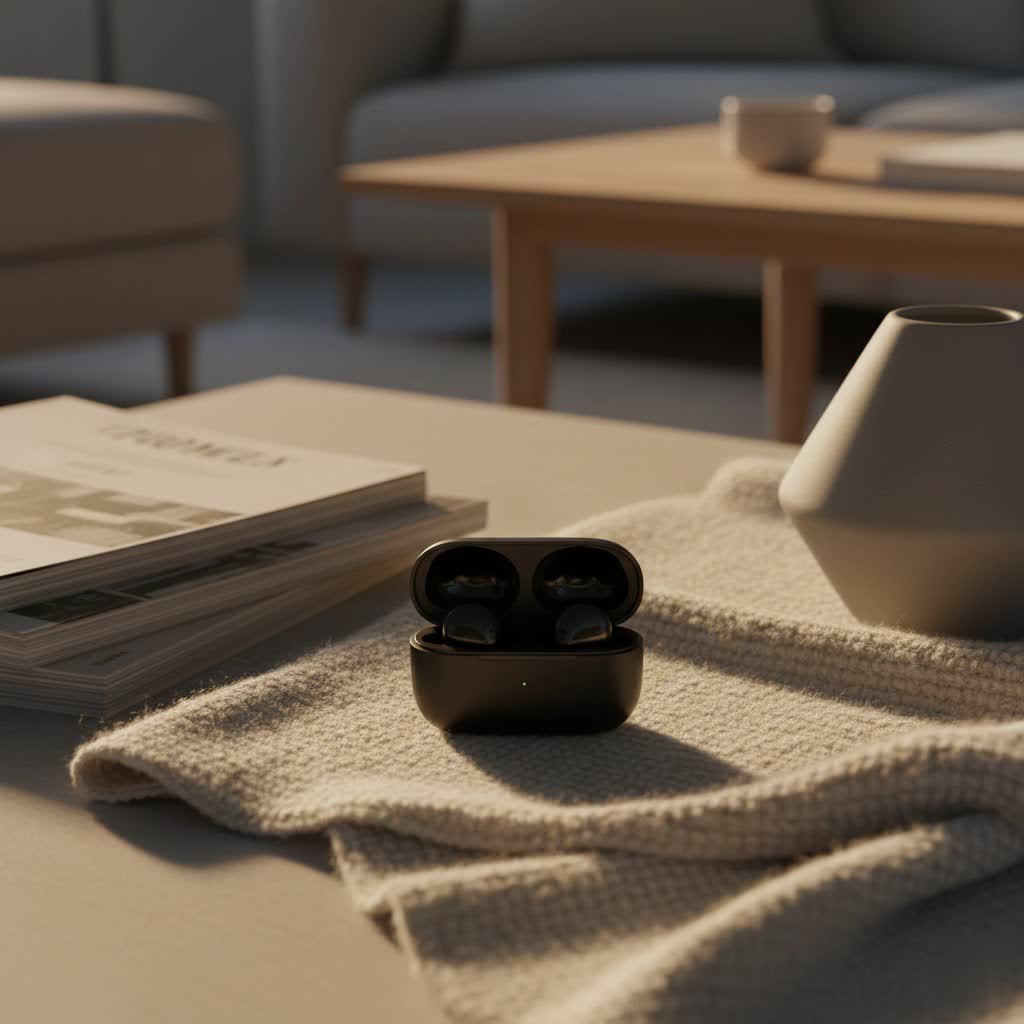
The Evolution of Wireless Earbuds: A Journey from Wires to Wireless Freedom
The journey of wireless earbuds began modestly with early Bluetooth models, offering basic audio transmission and the freedom from a direct cable connection to your device. These initial iterations, while revolutionary for their time, often compromised on sound quality and suffered from limited battery life. Over the years, however, rapid advancements in Bluetooth technology, miniaturization, and digital signal processing have propelled wireless earbuds into a new era of sophistication.
Key milestones include the introduction of True Wireless Stereo (TWS) technology, which eliminated all wires, even between the earbuds themselves, creating truly independent audio units. The integration of advanced active noise cancellation (ANC) marked another significant leap, allowing users to silence the world around them. Today’s wireless earbuds boast high-resolution audio codecs, intelligent touch controls, voice assistant integration, and extended battery life, transforming them from simple listening devices into sophisticated smart wearables.
Unpacking the Superior Advantages of Wireless Earbuds
Wireless earbuds offer a multitude of benefits that traditional wired headphones simply cannot match, making them an indispensable accessory in modern life.
Unrestricted Movement and Unmatched Convenience
|
Our Picks for the Best Wireless Earbuds in 2026
As an Amazon Associate I earn from qualifying purchases.
|
||
| Num | Product | Action |
|---|---|---|
| 1 | Open Ear Headphones, Bluetooth 5.4 Earbuds, 50H, Air Conduction Ear Buds, HD Stereo Bass Over Ear Earphones with Earhooks, Ultra-Comfort Secure, Purple |

|
| 2 | TAGRY Bluetooth Headphones True Wireless Earbuds 60H Playback LED Power Display Earphones with Wireless Charging Case IPX5 Waterproof in-Ear Ear buds with Mic for TV Smart Phone Laptop Computer Sports |
|
| 3 | Soundcore by Anker P20i True Wireless Earbuds, 10mm Drivers with Big Bass, Bluetooth 5.3, 30H Long Playtime, Water-Resistant, 2 Mics for AI Clear Calls, 22 Preset EQs, Customization via App |
|
| 4 | kurdene Wireless Earbuds Bluetooth 5.3 in Ear Buds Light Weight Headphones,Deep Bass Sound,Built in Mics Headset,Clear Calls Earphones for Sports Workout |
|
| 5 | Wireless Earbuds, Bluetooth 5.4 HiFi Stereo Headphones with Noise Cancelling Mic, 50H Playback in Ear Buds with LED Digital Display, IPX7 Waterproof Earphones for Office/Running/Workout White |
|
| 6 | Apple AirPods 4 Wireless Earbuds, Bluetooth Headphones, Personalized Spatial Audio, Sweat and Water Resistant, USB-C Charging Case, H2 Chip, Up to 30 Hours of Battery Life, Effortless Setup for iPhone |
|
| 7 | TOZO Headphones Lightweight with Multi-Angle Adjustment, Bluetooth 5.3 Earbuds with Dual-Axis Design for Long-Lasting Comfort, Crystal-Clear Calls for Driving |
|
| 8 | TOZO A1 Wireless Earbuds Bluetooth 5.3 Light Weight in Ear IPX5 Waterproof Headphones 2 Mic for AI Calls, Immersive Premium Sound Bass Headset with Charging Case, 32 Presets EQ Customization via App |
|
| 9 | Apple AirPods Pro 3 Wireless Earbuds, Active Noise Cancellation, Live Translation, Heart Rate Sensing, Hearing Aid Feature, Bluetooth Headphones, Spatial Audio, High-Fidelity Sound, USB-C Charging |
|
| 10 | Wireless Earbuds, Bluetooth 5.4 Headphones, True Wireless Stereo Sound Earphones with Noise Cancelling Mic, Fast Charging, IPX7 Waterproof, Comfort Fit Ear Buds for Sports/Workouts/Travel (Deep Black) |
|
The most apparent advantage is the unparalleled freedom of movement. Without any cables, you can move, exercise, or multitask without the annoyance of snags or tangles. This untethered experience is particularly valuable for workouts, commutes, and everyday chores, allowing you to stay connected to your audio without physical constraints. The compact size and often magnetic charging cases also make them incredibly easy to carry in a pocket or bag.
Versatile Connectivity Across Devices
Modern wireless earbuds feature advanced Bluetooth standards, enabling seamless and stable connections with a wide array of devices, including smartphones, tablets, laptops, smartwatches, and even smart TVs. Many models now support multipoint connectivity, allowing them to pair with two devices simultaneously and intelligently switch between them, enhancing productivity and convenience.
Constantly Improving Audio Fidelity
Gone are the days when “wireless” automatically meant compromised sound. While initial models lagged behind their wired counterparts, contemporary wireless earbuds have made significant strides in audio performance. Thanks to improved drivers, advanced audio codecs (like aptX Adaptive, LDAC, and LC3), and sophisticated digital signal processing, many premium wireless earbuds now deliver rich, detailed, and immersive soundscapes that rival high-fidelity wired options.
A Taxonomy of Popular Wireless Earbuds
The wireless earbud market is diverse, offering various designs tailored to different preferences and use cases. Understanding these categories is crucial for making an informed choice.
True Wireless Stereo (TWS) Earbuds
True Wireless Stereo (TWS) earbuds are the most popular and rapidly evolving category. These are completely cable-free, with each earbud operating independently, connecting wirelessly to your device and to each other. They come with a charging case that also serves as a protective carrying case, providing extra battery life on the go. TWS earbuds are prized for their ultimate portability and discretion.
Wireless Neckband Earbuds
Neckband earbuds feature a flexible band that rests around your neck, with short wires extending to the earbuds themselves. While not entirely “true wireless,” they offer a secure fit, often longer battery life due to larger batteries housed in the neckband, and are less prone to being lost compared to TWS models. They are a popular choice for athletes and users who prefer the security of a physical connection between the earbuds.
Wireless Over-Ear Headphones
While technically not “earbuds,” wireless over-ear headphones are a common alternative for those seeking superior sound isolation and extended comfort. These encompass your entire ear, often featuring larger drivers for richer sound and more powerful active noise cancellation. They are less portable than earbuds but excel in immersive listening experiences. For the scope of this article focusing on “earbuds,” we will primarily delve into TWS and, to a lesser extent, neckband designs.
Comparative Overview: Decoding Wireless Earbud Types
Here’s a snapshot comparing the key attributes of the most common wireless earbud types:
| Feature | True Wireless (TWS) Earbuds | Neckband Earbuds | Over-Ear Wireless Headphones |
|---|---|---|---|
| Size | Ultra-compact, discreet | Moderate (neckband) | Large, bulky |
| Battery Life | Moderate (with case refills) | Good to Very Good | Excellent |
| Portability | Extremely high | High | Moderate |
| Sound Quality | Good to Excellent | Good to Very Good | Excellent to Premium |
| Comfort | Highly varied, fit dependent | Generally comfortable | Excellent (padded earcups) |
| Noise Isolation | Passive + ANC (optional) | Passive + ANC (optional) | Superior Passive + ANC |
| Price Range | Diverse (Budget to Premium) | Mid-range to Upper Mid-range | High-end to Premium |
| Use Case | Everyday, travel, fitness | Fitness, commuting | Home, office, long flights |
Leading Innovators: Prominent Wireless Earbud Brands
The market is flooded with impressive offerings from both established audio giants and innovative newcomers. Here are some of the most recognized and highly-regarded brands in the wireless earbud space:
- Apple AirPods: Synonymous with seamless integration for Apple users, known for their intuitive features, spatial audio, and excellent noise cancellation in Pro models.
- Sony: Renowned for their industry-leading noise cancellation (WF-1000XM series) and exceptional audio fidelity, often catering to audiophiles.
- Samsung: Offers a strong ecosystem integration for Galaxy users, with features like Bixby voice assistant and customizable sound profiles.
- Bose: A leader in active noise cancellation, providing deep quiet and comfortable fits, often favored by frequent travelers.
- Jabra: Specializes in reliable call quality and robust designs, often with good fitness features and multi-device connectivity.
- Anker (Soundcore): Delivers outstanding value with competitive features like strong ANC and long battery life at more accessible price points.
- Technics: Gaining recognition for premium sound quality and advanced features like multipoint connectivity.
- Sennheiser: Continues its legacy of high-fidelity audio with true wireless models that appeal to discerning listeners.
- JBL: Offers a wide range of earbuds, often focusing on powerful bass and durable designs suitable for sports.
The Definitive Buying Guide: Key Criteria for Selecting Wireless Earbuds
Choosing the perfect pair of wireless earbuds can be overwhelming given the vast options. Consider these crucial factors to narrow down your search:
Sound Quality: The Heart of the Experience
Sound quality is paramount. Look for earbuds that offer a balanced sound signature with clear highs (treble), well-defined mids, and robust, impactful bass without being overpowering. High-resolution audio codec support (like LDAC or aptX Adaptive) can significantly enhance the listening experience if your device also supports them. Reading expert reviews and user feedback on sound performance is essential.
Battery Life: Powering Your Day
Consider both the battery life of the earbuds themselves per charge and the total listening time with the charging case. For extended commutes or travel, models offering 6-8 hours per charge and 20-30 hours with the case are ideal. Fast charging capabilities, which provide several hours of playback from a quick 10-15 minute charge, are also a valuable feature.
Active Noise Cancellation (ANC): Silence the World
If you frequently find yourself in noisy environments (e.g., public transport, open offices, flights), powerful ANC is a game-changer. Good ANC dramatically reduces ambient noise, allowing for a more focused listening experience. Some earbuds also offer adjustable ANC levels or ambient sound modes to let you hear your surroundings when needed.
Comfort and Fit: A Personalized Experience
The fit of wireless earbuds is highly personal and critical for both sound quality and long-term comfort. Earbuds should feel secure without causing pressure or discomfort. Many come with various sizes of silicone ear tips; some also offer foam tips or additional wingtips/fins for a more stable fit, especially for active use. Trying them on, if possible, is always recommended.
Water and Sweat Resistance: Built for Activity
An IP (Ingress Protection) rating indicates an earbud’s resistance to dust and water. For workouts or outdoor use, an IPX4 rating or higher is advisable to protect against sweat and light splashes. Higher ratings, like IPX7, signify greater water immersion resistance.
Advanced Features and Connectivity
- Bluetooth Version: Look for Bluetooth 5.2 or newer for improved stability, efficiency, and range.
- Multipoint Connectivity: Allows simultaneous connection to two devices, enabling seamless switching.
- Touch/Physical Controls: Decide whether you prefer tactile buttons or gesture-based touch controls for playback, calls, and volume.
- Voice Assistant Integration: Access your preferred AI assistant (Siri, Google Assistant, Alexa) directly from your earbuds.
- Companion App: Many brands offer apps for customization, EQ adjustments, firmware updates, and finding misplaced earbuds.
Understanding Wireless Earbud Price Segments
Wireless earbuds are available across a broad spectrum of prices, catering to every budget while offering varying levels of features and performance.
Entry-Level (Under $75)
This segment offers surprisingly capable options that provide basic wireless functionality, decent sound, and often a comfortable fit. They are excellent for casual listening and those new to wireless audio, though advanced features like strong ANC or premium sound are typically limited.
Mid-Range ($75 – $200)
The mid-range is a sweet spot, offering a significant upgrade in sound quality, battery life, and often incorporating features like active noise cancellation, app customization, and improved call quality. Many popular models from reputable brands fall into this category, providing excellent value.
Premium (Over $200)
At the high end, you’ll find top-tier performance with exceptional sound fidelity, class-leading active noise cancellation, robust build quality, advanced codecs, and a full suite of smart features. These earbuds are designed for audiophiles and users who demand the absolute best experience, regardless of the price.
Top-Rated Wireless Earbuds: Highly Recommended Models
Based on extensive testing and user reviews, several wireless earbuds consistently stand out in the current market:
- Sony WF-1000XM5: Praised for their outstanding noise cancellation, audiophile-grade sound, and comprehensive feature set, making them an excellent all-rounder for discerning listeners.
- Apple AirPods Pro 3: The go-to choice for iPhone users, offering industry-leading active noise cancellation, spatial audio, and seamless integration within the Apple ecosystem.
- Bose QuietComfort Ultra Earbuds (2nd Gen): Unrivaled in noise cancellation capabilities, delivering an unparalleled quiet listening experience, perfect for travel.
- Technics EAH-AZ100: Highly regarded for their detailed and vibrant sound quality, comfortable fit, and robust multipoint connectivity, catering to audiophiles who appreciate nuanced audio.
- Anker Soundcore Space A40: An exceptional mid-range option, offering impressive active noise cancellation and a rich feature set at a very competitive price.
- Sennheiser Momentum True Wireless 4: Known for delivering some of the most pristine and balanced audio in the true wireless category, appealing to those prioritizing sound fidelity above all else.
- Earfun Air: A top pick for budget-conscious buyers, providing surprisingly good sound and solid features for its affordable price point.
Mastering Your Wireless Earbuds: Usage and Maintenance Essentials
To ensure longevity and optimal performance, proper usage and maintenance are key for your wireless earbuds.
Seamless Connectivity and Everyday Use
Pairing your earbuds is typically straightforward: activate Bluetooth on your device, open your earbud case (or put them in pairing mode), and select them from your device’s Bluetooth menu. For multi-device users, practice switching between paired devices. Familiarize yourself with touch or button controls for playback, calls, volume, and ANC modes.
Cleaning and Storage Best Practices
Regular cleaning prevents earwax and debris buildup, which can affect sound quality and charging. Use a soft, dry, lint-free cloth to wipe the earbuds and charging case. For stubborn grime, a slightly damp cloth or a cotton swab with a small amount of isopropyl alcohol can be used, ensuring no liquid enters openings. Always store your earbuds in their charging case when not in use to protect them and keep them charged. Avoid extreme temperatures and direct sunlight.
Troubleshooting Common Issues
- Connection Drops: Ensure earbuds are fully charged, close to your device, and there’s no interference (e.g., too many Bluetooth devices nearby). Try re-pairing.
- One Earbud Not Working: Check battery levels for both earbuds. If one isn’t connecting, try placing both back in the case, closing it, and then reopening to reset.
- Poor Sound Quality: Check for a proper seal with your ear tips. Clean any debris from the earbud nozzles.
- Charging Issues: Ensure the charging contacts on both earbuds and the case are clean and unobstructed.
Connecting Your Wireless Earbuds to Your Devices
Connecting wireless earbuds is generally intuitive, but the process can vary slightly depending on your device’s operating system.
iOS Devices (iPhone, iPad)
- Open Case: Open the charging case of your earbuds near your iOS device.
- Pairing Mode: Most earbuds automatically enter pairing mode. For AirPods, simply open the case and follow the on-screen prompt.
- Connect: Tap “Connect” on the pop-up notification. For other brands, go to
Settings > Bluetooth, select your earbuds from the list, and tap to pair. - Automatic Switching: AirPods and some other brands offer seamless automatic switching between iOS devices signed into the same Apple ID.
Android Devices
- Enable Bluetooth: Swipe down from the top of your screen to access Quick Settings and long-press the Bluetooth icon, or navigate to
Settings > Connected devices > Bluetooth. - Pairing Mode: Open your earbud case or put the earbuds into manual pairing mode (refer to your earbud’s manual).
- Scan and Connect: Tap “Pair new device” or “Scan” in your Bluetooth settings. Select your earbuds from the list of available devices and confirm pairing.
- Google Fast Pair: Many Android-compatible earbuds support Google Fast Pair, providing a quick pop-up notification for easy pairing when near your device.
Conclusion
Wireless earbuds have firmly established themselves as an essential piece of technology, offering unparalleled freedom, convenience, and increasingly sophisticated audio experiences. From the evolution of Bluetooth to the advent of true wireless designs, these miniature marvels continue to push the boundaries of portable sound. Whether you prioritize crystalline sound, deep noise cancellation, robust fitness features, or simply tangle-free listening, there’s a perfect pair of wireless earbuds waiting for you. By carefully considering factors like sound quality, battery life, comfort, and smart features against your specific needs and budget, you can unlock a world of unbounded sound.
What features do you value most in your perfect pair of wireless earbuds?
Frequently Asked Questions
What is the difference between active noise cancellation (ANC) and passive noise isolation?
Passive noise isolation physically blocks sound using the earbud’s fit and materials, while active noise cancellation (ANC) uses microphones to detect external sounds and then generates an opposite sound wave to cancel them out electronically. ANC is more effective against low-frequency, continuous noises.
Can I use wireless earbuds with any smartphone or device?
Generally, yes. Most wireless earbuds use Bluetooth, a universal standard, allowing them to connect to any Bluetooth-enabled device regardless of brand or operating system. However, certain advanced features (like spatial audio or quick device switching) may be optimized or exclusive to specific ecosystems (e.g., Apple AirPods with iOS devices).
How long do wireless earbud batteries typically last?
Battery life varies significantly by model and usage. Earbuds typically offer 4-12 hours of playback on a single charge. Their charging cases usually hold an additional 2-5 full charges, extending total listening time to 20-50 hours before the case itself needs recharging. Using features like ANC or high-volume playback will reduce battery life.
Are wireless earbuds safe for your ears?
When used responsibly, wireless earbuds are safe. The key is to avoid listening at excessively high volumes for prolonged periods, as this can lead to hearing damage. Most health organizations recommend listening at around 60% of the maximum volume for no more than 60 minutes at a time. Also, ensure a clean fit to prevent ear infections.
What is multipoint connectivity in wireless earbuds?
Multipoint connectivity allows your wireless earbuds to be simultaneously connected to two different devices (e.g., your smartphone and your laptop). This feature enables seamless audio switching between devices without manually disconnecting and reconnecting each time, enhancing convenience for multitasking.
Are expensive wireless earbuds always better?
Not necessarily. While premium earbuds generally offer superior sound quality, more effective ANC, and a wider range of advanced features, there are many excellent mid-range and even budget options that provide fantastic value. The “best” earbuds depend on your specific priorities and how well they meet your individual needs.
