Stepping into the world of truly immersive audio without the hassle of tangled wires has become an essential part of modern life. With countless options flooding the market, finding good wireless earbuds that perfectly match your needs can feel overwhelming. Whether you’re a seasoned audiophile or a casual listener, this guide will navigate the complexities, helping you discover the ideal pair to elevate your listening experience.
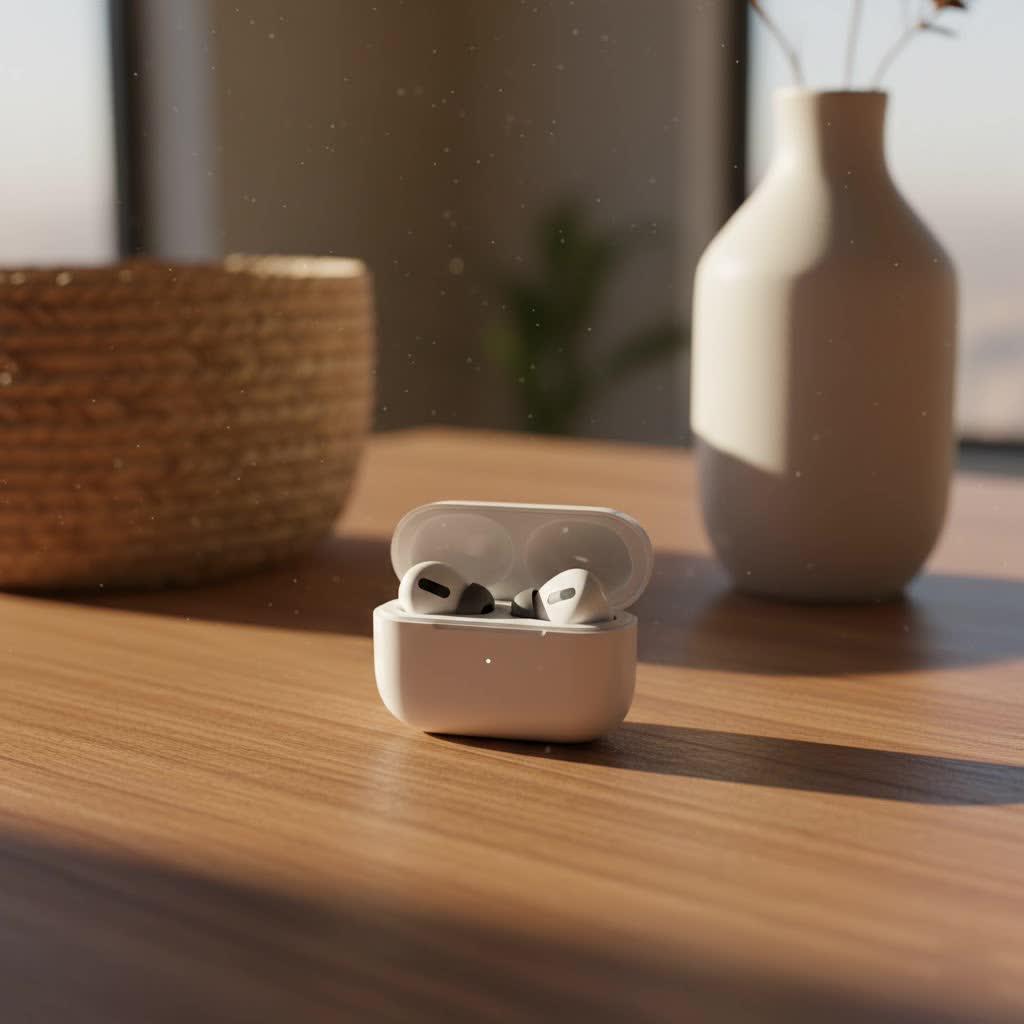
Modern Audio Solutions: The Rise of Wireless Earbuds
Wireless earbuds represent a significant leap in personal audio technology, offering unparalleled convenience and freedom. Gone are the days of being tethered to your device; now, crystal-clear sound and smart features are delivered in compact, untethered packages.
The Evolution of Wireless Earbuds
The journey of wireless earbuds began modestly in the early 2000s with the advent of Bluetooth technology. Initially, these devices were bulky, had limited battery life, and were primarily used for hands-free calling rather than high-fidelity music playback.
- Early Bluetooth Era (2000s): The concept of wireless audio transmission emerged, but products were basic, focusing on utility over sound quality.
- Improvements in Design and Sound (2010s): Bluetooth 4.0 brought significant advancements in energy efficiency and data transfer speeds, paving the way for better sound quality and more compact designs. This period also saw the rise of wireless headphones and neckband-style earbuds, connecting the two earpieces via a cable.
- The True Wireless Revolution (2014-Present): A true game-changer arrived with the introduction of True Wireless Stereo (TWS) technology around 2014, pioneered by products like the Bragi Dash. This eliminated all wires, offering complete freedom of movement. The launch of Apple AirPods in 2016 further popularized TWS, setting new standards for seamless integration, automatic pairing, and intuitive controls. Since then, advancements in battery life, noise cancellation, and smart features have continuously refined the wireless earbud experience.
|
Our Picks for the Best Wireless Earbuds in 2026
As an Amazon Associate I earn from qualifying purchases.
|
||
| Num | Product | Action |
|---|---|---|
| 1 | Apple AirPods 4 Wireless Earbuds, Bluetooth Headphones, Personalized Spatial Audio, Sweat and Water Resistant, USB-C Charging Case, H2 Chip, Up to 30 Hours of Battery Life, Effortless Setup for iPhone |

|
| 2 | TOZO Headphones Lightweight with Multi-Angle Adjustment, Bluetooth 5.3 Earbuds with Dual-Axis Design for Long-Lasting Comfort, Crystal-Clear Calls for Driving |
|
| 3 | Open Ear Headphones, Bluetooth 5.4 Earbuds, 50H, Air Conduction Ear Buds, HD Stereo Bass Over Ear Earphones with Earhooks, Ultra-Comfort Secure, Purple |
|
| 4 | Wireless Earbuds, Bluetooth 5.4 HiFi Stereo Headphones with Noise Cancelling Mic, 50H Playback in Ear Buds with LED Digital Display, IPX7 Waterproof Earphones for Office/Running/Workout White |
|
| 5 | TAGRY Bluetooth Headphones True Wireless Earbuds 60H Playback LED Power Display Earphones with Wireless Charging Case IPX5 Waterproof in-Ear Ear buds with Mic for TV Smart Phone Laptop Computer Sports |
|
| 6 | Apple AirPods Pro 3 Wireless Earbuds, Active Noise Cancellation, Live Translation, Heart Rate Sensing, Hearing Aid Feature, Bluetooth Headphones, Spatial Audio, High-Fidelity Sound, USB-C Charging |
|
| 7 | kurdene Wireless Earbuds Bluetooth 5.3 in Ear Buds Light Weight Headphones,Deep Bass Sound,Built in Mics Headset,Clear Calls Earphones for Sports Workout |
|
| 8 | Soundcore by Anker P20i True Wireless Earbuds, 10mm Drivers with Big Bass, Bluetooth 5.3, 30H Long Playtime, Water-Resistant, 2 Mics for AI Clear Calls, 22 Preset EQs, Customization via App |
|
| 9 | TOZO A1 Wireless Earbuds Bluetooth 5.3 Light Weight in Ear IPX5 Waterproof Headphones 2 Mic for AI Calls, Immersive Premium Sound Bass Headset with Charging Case, 32 Presets EQ Customization via App |
|
| 10 | Wireless Earbuds, Bluetooth 5.4 Headphones, True Wireless Stereo Sound Earphones with Noise Cancelling Mic, Fast Charging, IPX7 Waterproof, Comfort Fit Ear Buds for Sports/Workouts/Travel (Deep Black) |
|
Unmatched Advantages of Wireless Earbuds
Good wireless earbuds offer a multitude of benefits that traditional wired alternatives simply cannot match. Their core appeal lies in the blend of convenience, versatility, and increasingly, high-fidelity audio.
- Portability and Freedom of Movement: Without any wires, users enjoy complete freedom during workouts, commutes, or daily tasks. They slip easily into pockets or small bags, making them ideal companions for any activity.
- Seamless Device Connectivity: Modern wireless earbuds boast advanced Bluetooth technology, enabling quick and stable connections to smartphones, tablets, laptops, and even smart TVs. Many also feature multipoint connectivity, allowing simultaneous pairing with multiple devices.
- Continuous Audio Quality Enhancements: Thanks to improved Bluetooth codecs (like aptX, LDAC, and AAC) and advanced driver technology, the sound quality of good wireless earbuds now rivals, and often surpasses, that of many wired counterparts from just a few years ago.
Popular Categories of Wireless Earbuds
While “wireless earbuds” often refers to the ubiquitous True Wireless Stereo (TWS) models, the category encompasses a few distinct styles, each with unique characteristics.
- True Wireless Stereo (TWS) Earbuds: These are the most common type today, featuring two completely independent earpieces that connect wirelessly to each other and to your device. They come with a charging case that also stores and protects them.
- Neckband Wireless Earbuds: In this style, the two earbuds are connected by a short cable, often featuring a band that rests around your neck. The battery and controls are typically housed within the neckband, offering longer battery life than many TWS models and reducing the risk of losing a single earbud.
- Wireless Over-Ear Headphones: While not “earbuds” in the strict sense, wireless over-ear headphones are a popular choice for those seeking maximum comfort, larger drivers for superior sound, and often more robust active noise cancellation. They connect wirelessly to devices and cover the entire ear.
Comparing Wireless Earbud Types
Understanding the differences between types can guide your choice towards the best fit for your lifestyle.
| Feature | True Wireless | Neckband | Over-Ear Headphones |
|---|---|---|---|
| Size | Compact | Medium | Large |
| Battery Life (buds) | Moderate (4-8 hours) | Good (8-15 hours) | Excellent (20-40+ hours) |
| Portability | Very High | High | Moderate |
| Sound Quality | Good | Good | Excellent |
| Noise Isolation | Good (with proper fit) | Good (with proper fit) | Excellent (often ANC) |
| Price Range | Diverse | Medium | High |
Leading Wireless Earbud Brands
The market for good wireless earbuds is highly competitive, with numerous brands pushing the boundaries of technology, design, and audio performance. Some of the most recognized and innovative players include:
- Apple: Known for its seamless ecosystem integration, user-friendly design, and effective active noise cancellation (e.g., AirPods Pro line).
- Sony: Renowned for exceptional sound quality, industry-leading active noise cancellation, and advanced audio processing (e.g., WF-1000XM series).
- Samsung: Offers strong integration with Android devices, comfortable fits, and a balanced sound profile (e.g., Galaxy Buds series).
- Bose: A leader in noise cancellation technology, providing premium comfort and clear audio for calls and music (e.g., QuietComfort Earbuds line).
- Jabra: Popular for robust designs, excellent call quality, and features tailored for active lifestyles and professional use (e.g., Elite series).
- Anker (Soundcore): Delivers impressive value with competitive features like strong ANC, good sound, and extended battery life at accessible price points.
- Technics: Brings audiophile-grade sound and premium features like advanced Bluetooth codecs and multipoint connectivity to the TWS segment.
Choosing Your Perfect Pair: A Comprehensive Buying Guide
Selecting good wireless earbuds involves considering several key factors to ensure they meet your specific needs and preferences.
-
Audio Performance: Bass, Treble, Detail, and Codecs
The foundation of any good listening experience is sound quality. Consider your preferred sound profile: do you enjoy deep, punchy bass, crisp highs, or a balanced, detailed soundstage? Look for earbuds that support advanced Bluetooth audio codecs like aptX, LDAC, or AAC, which transmit higher-quality audio data than basic SBC codecs. Many brands also offer companion apps with customizable EQ settings, allowing you to fine-tune the sound to your liking. -
Battery Life: Endurance for Your Lifestyle
Battery life is crucial for uninterrupted listening. Most true wireless earbuds offer between 4 to 8 hours of playback on a single charge, with their charging cases providing an additional 2-4 full charges. For longer commutes or extended use, look for models that boast higher numbers and efficient fast-charging capabilities. Neckband and over-ear wireless headphones typically offer significantly longer battery life due to their larger physical size. -
Noise Cancellation: Active Noise Cancellation (ANC) and Transparency Modes
Active Noise Cancellation (ANC) uses microphones to detect ambient sound and generate anti-noise waves to cancel it out, providing a quiet listening environment. This feature is invaluable for commuting, flying, or working in noisy offices. Conversely, many earbuds also offer a “Transparency Mode” or “Ambient Sound Mode,” which allows you to hear your surroundings without removing your earbuds, enhancing safety and situational awareness. -
Comfort and Fit: Ergonomics for All-Day Wear
A comfortable and secure fit is paramount, especially for extended listening sessions or active use. Earbuds come with various sizes of silicone or foam ear tips, and some include wingtips or fins for added stability. It’s often a personal preference, as ear shapes vary significantly. Ensure the chosen pair feels snug without causing pressure or discomfort, and remains stable during movement. -
Durability: Water and Dust Resistance (IP Rating)
If you plan to use your earbuds during workouts, in the rain, or near water, an IP (Ingress Protection) rating is essential. An IPX4 rating, for example, means they are resistant to splashing water from any direction, making them suitable for sweaty workouts or light rain. Higher ratings like IPX7 indicate they can be submerged in water for a short period. -
Additional Features: Bluetooth Connectivity, Touch Controls, Voice Assistants, and Smart Capabilities
Modern wireless earbuds often pack a suite of smart features. Look for the latest Bluetooth versions (e.g., Bluetooth 5.2 or 5.3) for improved stability, range, and power efficiency. Intuitive touch controls allow you to manage playback, calls, and volume without reaching for your phone. Integration with voice assistants (Siri, Google Assistant, Alexa) provides hands-free control. Other advanced features might include spatial audio for an immersive sound experience, in-ear detection, customizable app settings, and even fitness tracking.
Wireless Earbud Price Tiers
Good wireless earbuds are available across a wide spectrum of price points, catering to various budgets.
- Budget-Friendly Options (Under $100): This segment offers surprisingly capable earbuds with solid sound quality and basic features. Ideal for casual listening and those new to wireless audio.
- Mid-Range Performers ($100-$300): Here, you’ll find a balance of advanced features like effective ANC, improved sound, and better battery life without the premium price tag. This is often the sweet spot for many users.
- Premium Audiophile Choices (Above $300): These earbuds boast top-tier sound fidelity, industry-leading noise cancellation, robust build quality, and a full suite of advanced smart features, targeting discerning listeners who prioritize the ultimate audio experience.
Top Recommended Wireless Earbuds (by Category)
While specific models constantly evolve, certain categories consistently offer excellent performance, making them reliably good wireless earbuds choices.
- Premium Noise-Cancelling Earbuds: For those prioritizing silence and immersion, models like Sony’s WF-1000XM series or Bose’s QuietComfort Earbuds are consistently praised for their class-leading Active Noise Cancellation and rich sound profiles.
- Best Value for Money Earbuds: Brands like Anker’s Soundcore line or Nothing Ear models frequently offer features found in more expensive earbuds, such as good ANC and custom EQ, at significantly more affordable prices.
- Sport and Fitness Earbuds: Look for earbuds with secure fits (like those with wingtips), high IP ratings for sweat and water resistance, and robust build quality. Brands like Jabra and Bose often excel in this category.
- Earbuds for Specific Ecosystems: Apple AirPods Pro remain the go-to for iPhone users due to seamless integration, while Samsung Galaxy Buds or Google Pixel Buds offer optimized experiences for Android users within their respective ecosystems.
Essential Tips for Using and Maintaining Your Wireless Earbuds
Proper usage and maintenance can significantly extend the lifespan and performance of your good wireless earbuds.
- Connecting and Getting Started: Most modern earbuds enter pairing mode automatically when first removed from their case. Simply open your device’s Bluetooth settings, select the earbuds from the list, and follow any on-screen prompts.
- Cleaning and Proper Care: Regularly clean your earbuds to prevent earwax and debris buildup, which can affect sound quality and fit. Use a soft, dry cloth or a cotton swab for the main body, and a small brush or toothpick for the ear tip mesh. Ensure the charging case contacts are also clean.
- Common Issues and Troubleshooting: If you experience connectivity issues, try resetting the earbuds or your device’s Bluetooth connection. For sound problems, ensure ear tips are clean and fitted correctly. Always keep your earbuds’ firmware updated through their companion app for optimal performance and new features.
Pairing Your Wireless Earbuds with Devices
Connecting your earbuds is typically a straightforward process, regardless of your operating system.
- Connecting to iOS Devices: For Apple AirPods, simply open the case near your iPhone, and a pairing prompt will appear. For other brands, go to
Settings>Bluetooth, ensure Bluetooth is on, and select your earbuds from “Other Devices” after they are in pairing mode. - Connecting to Android Devices: Turn on Bluetooth on your Android device by going to
Settings>Connected devices>Bluetooth. Put your earbuds into pairing mode, then select them from the list of available devices to connect. Some Android phones, especially those from the same brand as the earbuds, may offer quick pairing features similar to Apple’s.
Conclusion
Choosing good wireless earbuds means investing in a blend of cutting-edge technology, superior sound, and unmatched convenience. From the historical evolution driven by Bluetooth advancements to the diverse range of styles and features available today, the market offers something for everyone. By considering factors like sound quality, battery life, noise cancellation, and fit, you can confidently select a pair that truly enhances your daily audio experiences. The perfect pair of good wireless earbuds not only delivers exceptional sound but also seamlessly integrates into your lifestyle, offering a gateway to a world of untethered, high-quality audio.
Frequently Asked Questions
What makes a good pair of wireless earbuds?
A good pair of wireless earbuds excels in several key areas: excellent sound quality tailored to your preferences, reliable battery life for extended use, effective noise cancellation or transparency modes, a comfortable and secure fit, and robust connectivity. Additional features like intuitive controls, water resistance, and smart assistant integration also contribute significantly to a superior user experience.
How important is Active Noise Cancellation (ANC) in wireless earbuds?
Active Noise Cancellation (ANC) is highly important if you frequently listen to audio in noisy environments, such as during commutes, on planes, or in bustling offices. It significantly reduces ambient sounds, allowing for a more immersive and focused listening experience. For those who primarily use earbuds in quiet settings, ANC might be less critical, but it remains a premium feature that greatly enhances usability in many situations.
